

RESEARCH NEWS
-
 Estuary Bacteria Offer Hope for Pollutant Detoxification in Saline WatersScientists from the Chinese Academy of Scienceshave identified a strain of bacteria that can break down harmful pollutants in salty environments, such as estuaries and marine systems.Jan 24, 2025
 -
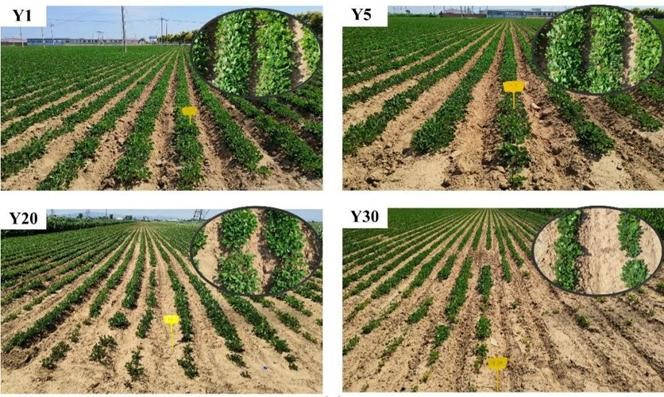 Unbalanced Soil Nematode Communities Behind Crop Rotation ChallengesA recent study conducted by the Institute of Applied Ecology, Chinese Academy of Sciences (CAS), has made a breakthrough in understanding the biological mechanisms behind the challenges posed by long-term continuous cropping. Published in the journal Geoderma, the study sheds new light on how soil health deteriorates over time when the same crop is repeatedly grown in the same field.Dec 26, 2024
 -
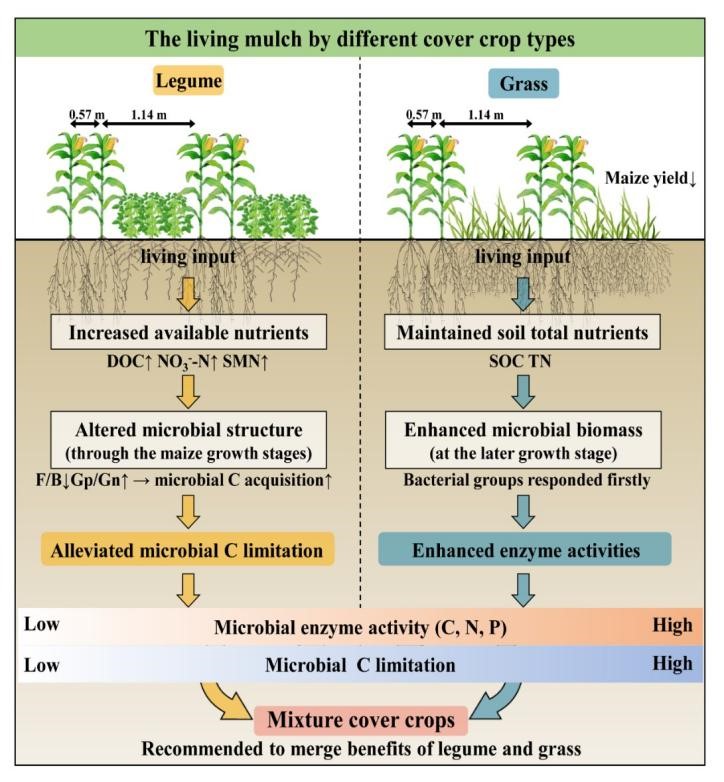 Cover Crops as Living Mulch Boost Soil Health and Nutrient Cycling, Study FindsResearchers have discovered that using cover crops as"living mulch"between rows of maize can significantly improve soil health and nutrient cycling, offering a sustainable approach to agricultural management.Dec 26, 2024
 -
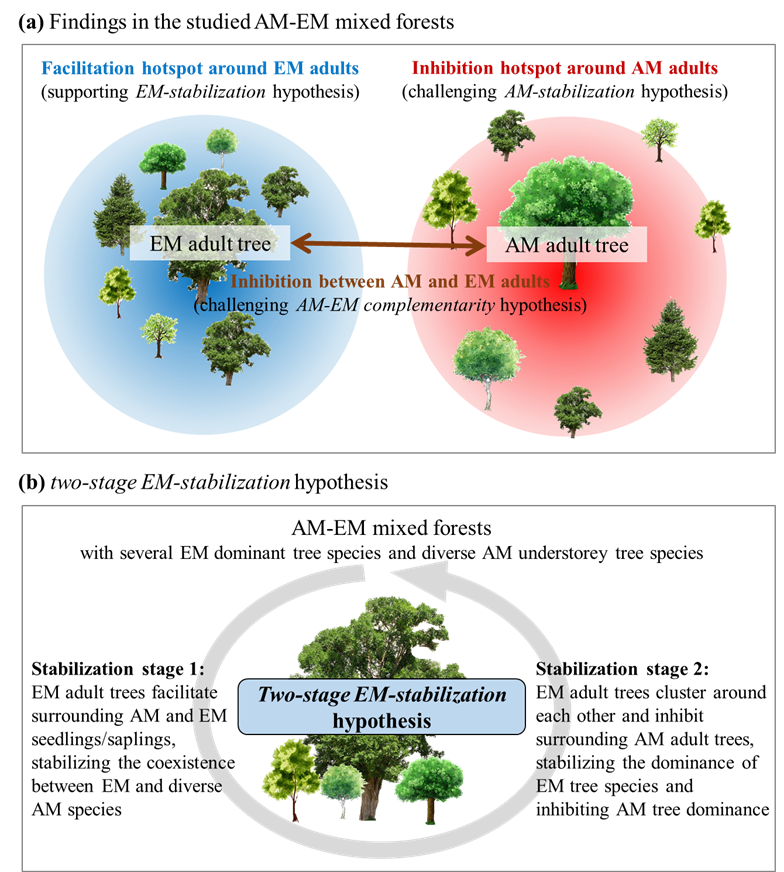 New Study Reveals Key Role of Mycorrhizal Fungi in Maintaining Temperate Forest DiversityA recent study has shed light on how mycorrhizal fungi, which form symbiotic relationships with over 80% of tree species, shape the structure and diversity of temperate forests.Nov 15, 2024
 -
Innovative Use of Vitamin C Industrial Wastes Enhances Cotton Growth in Saline SoilsA new study reveals that vitamin C production byproducts, traditionally considered waste, may hold the key to boosting cotton growth on saline-alkali soils.Nov 15, 2024
-
Straw Return’s Dual Role in Soil Oxygen Dynamics and N2O EmissionsReturning crop straw to the soil is a common agricultural practice that can significantly impact soil nitrogen (N) cycling and greenhouse gas emissions. While straw return can improve soil health and fertility, it can also influence nitrous oxide (N2O) emissions, a potent greenhouse gas.Oct 28, 2024
-
Straw Mulching Enhances Long-Term Fertilizer Nitrogen Retention in Northeast ChinaA recent study published in Soil Biology and Biochemistry highlights the significant role of maize straw mulching and no-till practices in improving nitrogen fertilizer efficiency and long-term nitrogen retention in the black soil region of Northeast China.Oct 28, 2024
-
Grazing More Beneficial Than Mowing for Grassland HealthWhile both grazing and mowing have their roles, the study suggests that grazing may be a more sustainable option for preserving grassland health and biodiversity.Sep 19, 2024
-
No-Till Corn Straw Return Boosts Soil Carbon StorageThe study, titled"Microbial necromass contribution to soil carbon storage via community assembly processes, "was published in Science of the Total Environment.Sep 19, 2024
-
 Research Team's Breakthrough Recognized in Top 10 Nitrogen Cycle Advances of 2023The"Top 10 Nitrogen Cycle Advances"highlights the importance of interdisciplinary studies and public environmental awareness in addressing nitrogen cycle challenges.Sep 19, 2024
