

News
Expert Panel Reviews Monitoring and Evaluation Report on Key Desert Areas of China's Three-North Shelterbelt Program
An expert review meeting was held in Beijing on May 27 to evaluate a monitoring and assessment report on the phased progress of key desert and sandy land restoration projects under the sixth phase of China'sThree-North Shelterbelt Forest Program.
The report, commissioned by the Three-North Shelterbelt Construction Bureau of the National Forestry and Grassland Administration and completed by the Institute of Applied Ecology (IAE) of the Chinese Academy of Sciences, aims to assess the achievements of ecological restoration efforts between 2021 and 2025 and provide scientific support for the next stage of the national anti-desertification initiative.
The expert panel was chaired by researcher FU Bojie of the Research Center for Eco-Environmental Sciences, Chinese Academy of Sciences. Panel members included specialists from leading research institutes, universities and government agencies.
REN Xiaobo, head of the Division of Atmosphere, Ocean and Ecological Environment under the Bureau of Sustainable Development Research of the Chinese Academy of Sciences, presided over the meeting and outlined the background and objectives of the assessment. Representatives of the commissioning agencies emphasized that a systematic evaluation of the project achievements and remaining challenges would be essential for advancing the sixth phase of the projects and supporting China's broader efforts to combat desertification.
ZHU Jiaojun, director of IAE, described the Three-North Shelterbelt Program as a national landmark ecological program and urged that the research team to carefully incorporate the panel's recommendations to further improve the report and provide solid scientific support for future national decision-making.
ZHENG Xiao, a researcher at the institute, presented the report's main findings, covering assessment methods, project implementation, ecological restoration outcomes, integrated desertification control benefits, and progress across the country's nine major desert and sandy land regions.
Following the presentation, the expert panel conducted an in-depth discussion and concluded that the report was supported by comprehensive data, advanced methodologies and reliable conclusions. At the same time, they stressed that future work should pay closer attention to water scarcity, inadequate integrated restoration technologies and weak cross-regional coordination mechanisms.
The panel also recommended implementing the principle of coordinating water resources, land use, population and industrial development, strengthening ecosystem-based management, establishing life-cycle management and evaluation systems, improving joint prevention and ecological compensation mechanisms, and making greater use of artificial intelligence-assisted monitoring and technology transfer to support high-quality implementation of the project.
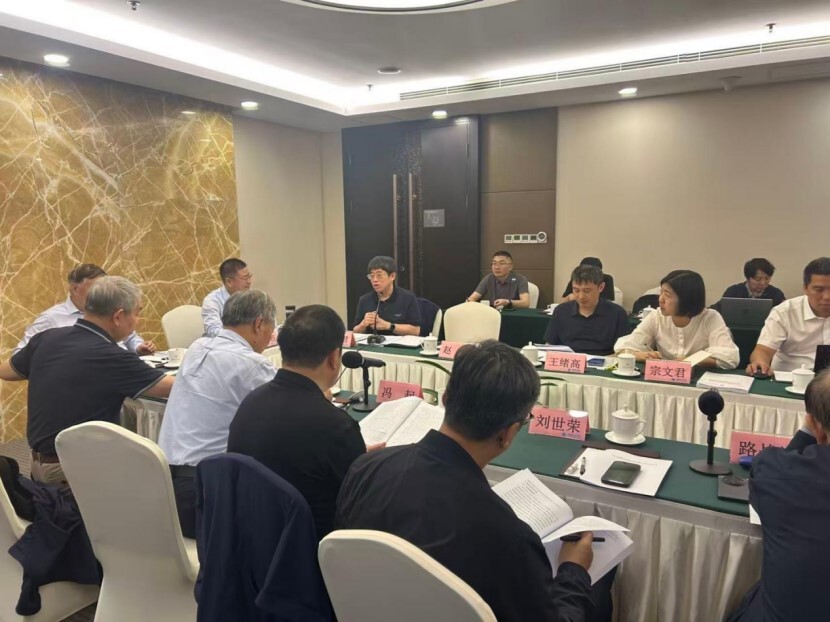
Figure 1. Leaders and Experts Present at the Meeting
