

News
‘Liaohe Model’ Offers New Path for Protecting China’s Black Soil Granary
Known as the “Liaohe Model”, the integrated system combines conservation tillage, straw mulching and returning, livestock manure utilization and region-specific farming technologies to restore soil fertility and improve grain yields across Liaoning province, one of China’s major grain-producing regions.
The model was developed under the “Black Soil Granary” science and technology initiative jointly launched in 2021 by the Chinese Academy of Sciences and the Liaoning provincial government. The five-year project aims to explore modern agricultural development models suited to different types of black soil and regional climate conditions.
Researchers from the Institute of Applied Ecology, Chinese Academy of Sciences established pilot demonstration zones in Changtu county, Fuxin Mongolian Autonomous County and Shenyang’s Shenbei New Area to test and promote the farming practices.
At a demonstration field spanning more than 500 mu in Changtu county, continuous straw returning over the past decade has visibly improved soil quality, according to local cooperative head SHENG Tieyong. Researchers found that fields with long-term straw cover contained significantly higher organic matter and more earthworms. Fields with more than 10 years of straw cover contain more than 60 earthworms per square meter, a clear sign of healthier soil ecosystems,” said XIE Hongtu, head of the Changtu experimental station at the institute.
The conservation system uses no-till seeders after crop straw is returned to the field, helping retain soil moisture, reduce erosion and stabilize yields. Researchers also introduced planting methods using alternating wide and narrow rows to optimize crop density and improve productivity while maintaining soil fertility.
Scientists involved in the project said promoting such practices initially proved difficult because improvements in soil quality and yield require years to become visible. However, growing evidence from demonstration plots gradually persuaded local farmers to adopt the methods.
The initiative has also focused on integrating livestock waste treatment with black soil restoration. Changtu county, a major grain and livestock production base, generates millions of tons of animal waste annually. Researchers and local agricultural authorities jointly developed the models to recycle livestock manure into organic fertilizer for farmland use.
According to the research team, the core of the “Liaohe Model” is an integrated soil fertility improvement system centered on efficient utilization of manure resources combined with locally tailored measures for different agricultural zones. In rice-growing areas of the Liaohe Plain, for example, whole-straw returning practices are being promoted.
The application of the integrated model has significantly improved soil organic matter and enhanced the land’s capacity to supply water and nutrients,” said ZHANG Lili, a researcher and project leader of the Shenyang demonstration zone. Researchers said the technologies and practices have increased soil organic matter content by 3 to 5 percent and improved cultivated land quality ratings. In some cases, the use of aerobically fermented organic manure in place of chemical fertilizers increased corn yields by up to 14 percent while lowering production costs.
Since 2021, more than 35 million mu of farmland in Liaoning have adopted technologies developed through the project, according to the report. Eleven major technologies and practices have been promoted, including conservation tillage for corn fields, straw biochar fertilizer production and eco-friendly rice-crab farming systems.
Despite the progress achieved so far, researchers said further work is needed to evaluate the long-term adaptability of the technologies and expand their application in different farming regions. “Protecting black soil is not a short-term task, but an ongoing process that requires sustained efforts from all stakeholders, including researchers, local governments and farmers,” said WU Haitao, deputy director of the institute.
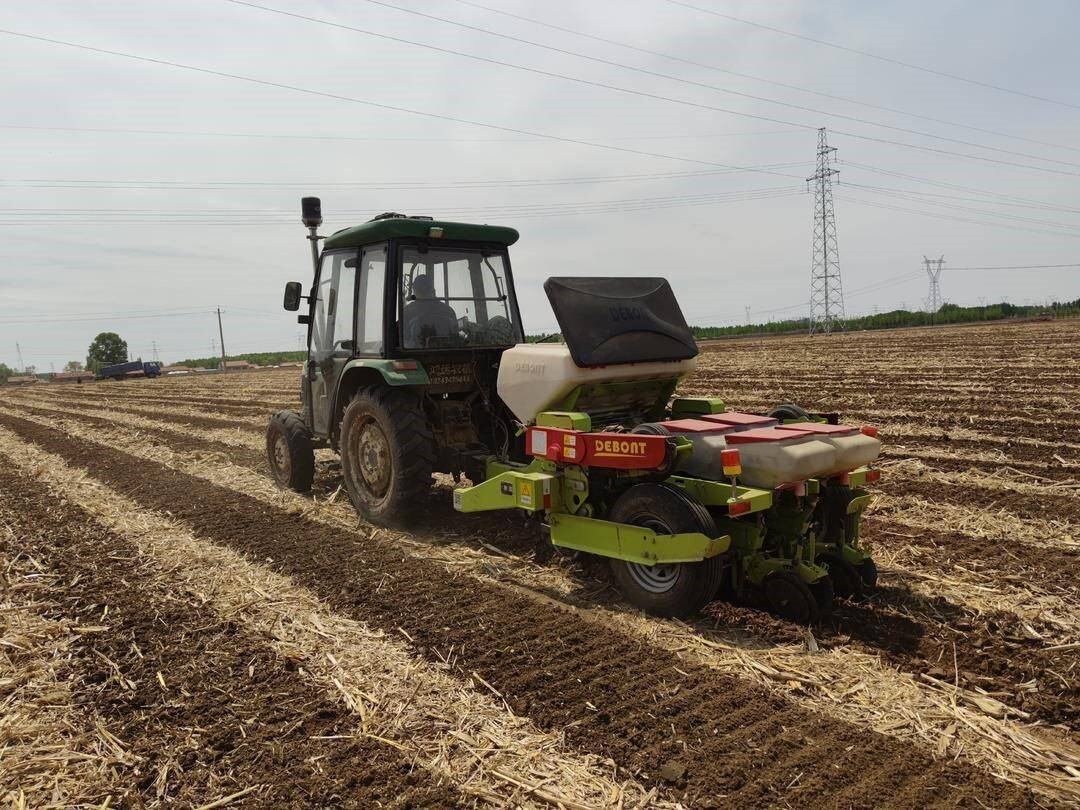
Figure 1. A no-till seeder conducts strip planting under conservation tillage conditions.
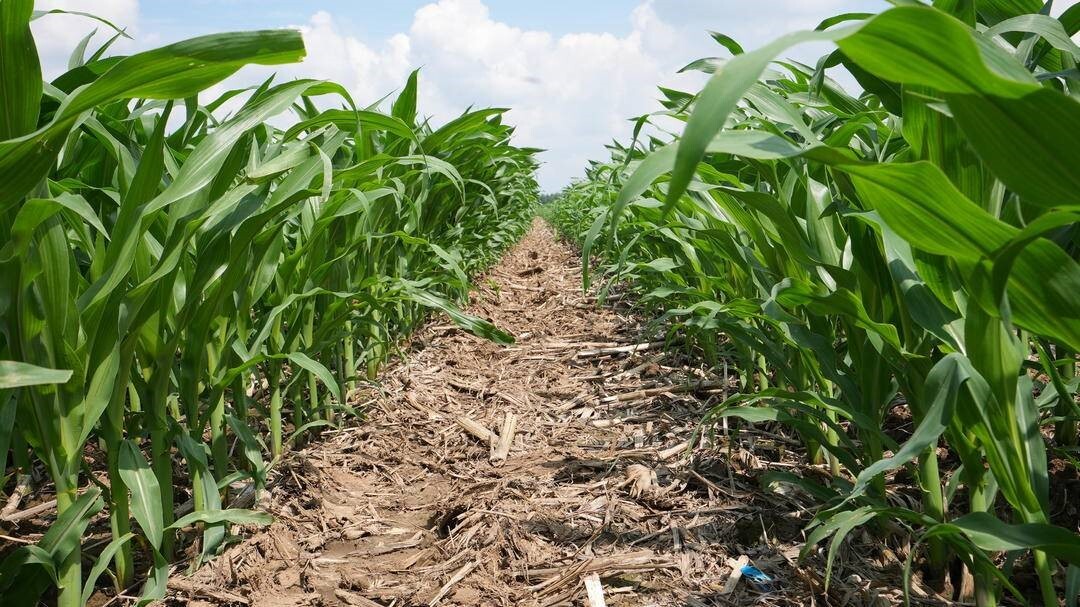
Figure 2. Straw mulching helps retain soil moisture, improve soil nutrients and boost crop yields.
