

News
IAE Links Four Field Stations for Integrated Ecological Monitoring and Research in Northeast China
Scientists from the Institute of Applied Ecology (IAE) of the Chinese Academy of Sciences (CAS) will work to strengthen integrated field monitoring and research across Northeast China to support the development of the region’s ecological security barrier, with a focus on ecosystem resilience, climate change and biodiversity conservation.
The initiative emerged from an academic seminar held on Oct. 12-13 at the Qingyuan Forest Ecosystem National Observation and Research Station in Liaoning province. More than 20 researchers and officials attended, including WANG Yi, a division director at the National Science and Technology Infrastructure Center, ZHU Jiaojun, director of IAE and an academician, and SUN Tao, deputy director of the institute. Representatives from the Changbai Mountain Forest Ecosystem Research Station, Qingyuan Forest Ecosystem Observation and Research Station, Shenyang Urban Research Station and Horqin Sandy Land Research Station also took part.
WANG said field observation and research stations are an essential component of China's scientific and technological innovation system, serving as field-based platforms for advancing major national ecological strategies. He called for deeper integration of research resources, standardized regional monitoring, accelerated digital transformation and wider scientific data sharing. He also highlighted the potential of artificial intelligence to advance field research toward more intelligent, precise and data-driven approaches.
ZHU said integrated observation and research across the four field stations is essential to supporting ecological security in Northeast China, a region of strategic importance for both ecological conservation and food security. The approach will bring the four stations together around shared scientific questions and research priorities, supported by common observation standards, integrated data systems and coordinated resource allocation. He noted that experts, including academicians FU Bojie, YU Guirui, ZHANG Jiabao and LIU Shiguo, had repeatedly called for a networked approach to field observation and research in discussions at the institute this year.
At the seminar, SUN presented a framework for linking the institute's four field stations in southern Northeast China, outlining the scientific rationale, strategic objectives and implementation approaches. Representatives from the four stations presented their research plans and proposals for joint monitoring, while researchers from the institute's information center discussed the development of digital infrastructure for field stations.
Participants identified common scientific questions, monitoring equipment standards, data-sharing mechanisms and organizational arrangements as priorities. They agreed that the network should be driven by clearly defined scientific problems and establish an integrated observation and research framework spanning multiple scales, from individual organisms and ecological communities to landscapes and the wider region.
In his concluding remarks, ZHU said the ecological security barrier in Northeast China is centered on forest ecosystems, complemented by grasslands and wetlands. Together, these ecosystems regulate regional water and heat balances, sustain biogeochemical cycling, conserve water and soil, reduce wind erosion and wind-driven sand transport, increase carbon storage and maintain biodiversity.
ZHU identified two central scientific questions for the network: how the ecological barrier's structure evolves and its functions develop and persist, and how ecosystems and climate change interact. He said research should aim to strengthen climate resilience while underpinning biodiversity conservation. The proposed research will focus on three areas: understanding the links among ecosystem structure, processes and functions across multiple spatial scales to identify ecological vulnerabilities and causes of degradation; investigating how representative forest, grassland, wetland, desert and urban ecosystems respond and adapt to extreme climate events; and developing climate-resilient vegetation designs, ecological community restoration strategies and region-specific conservation approaches.
ZHU emphasized that forest, grassland and wetland ecosystems are fundamental to black soil formation, supplying organic carbon and helping maintain the water and thermal conditions necessary for soil development. Protecting and restoring these ecosystems, he said, is therefore essential to the long-term conservation and sustainable use of black soil.
The institute will next bring the four stations together to address key scientific questions concerning the regional ecological security barrier. Planned measures include establishing joint management and operating mechanisms, aligning funding, equipment and staffing arrangements across the four stations, standardizing observation methods, integrating scientific data and strengthening collaborative research. The network also help secure and implement major research projects, including those funded under national key research and development programs.
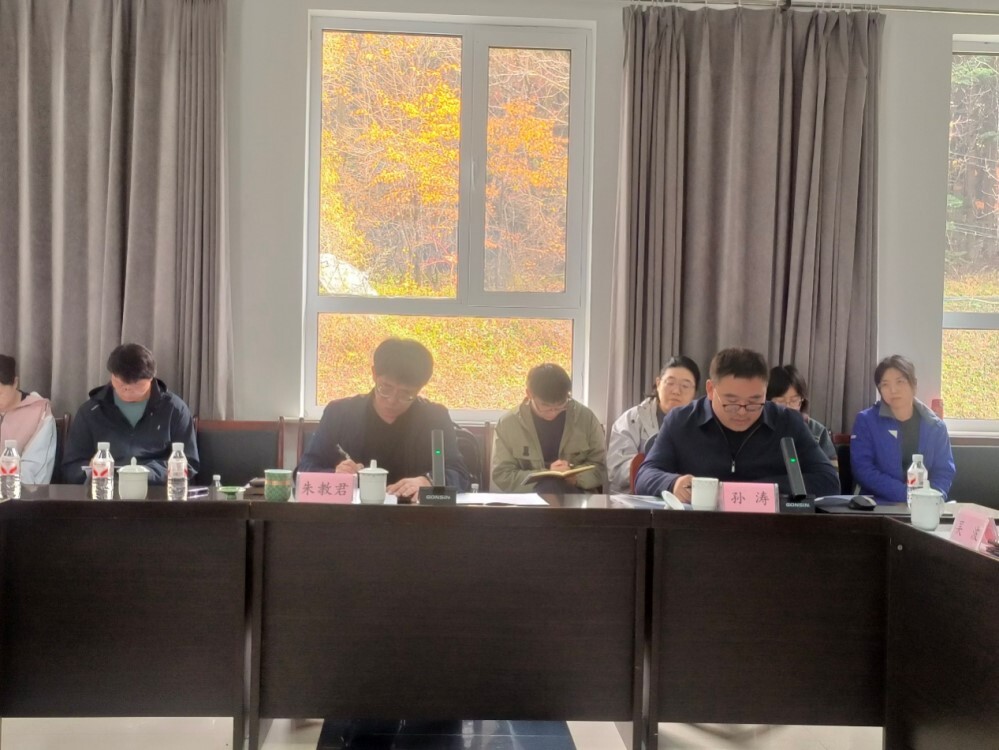
Figure1. Researchers discuss integrated ecological monitoring and research in Northeast China
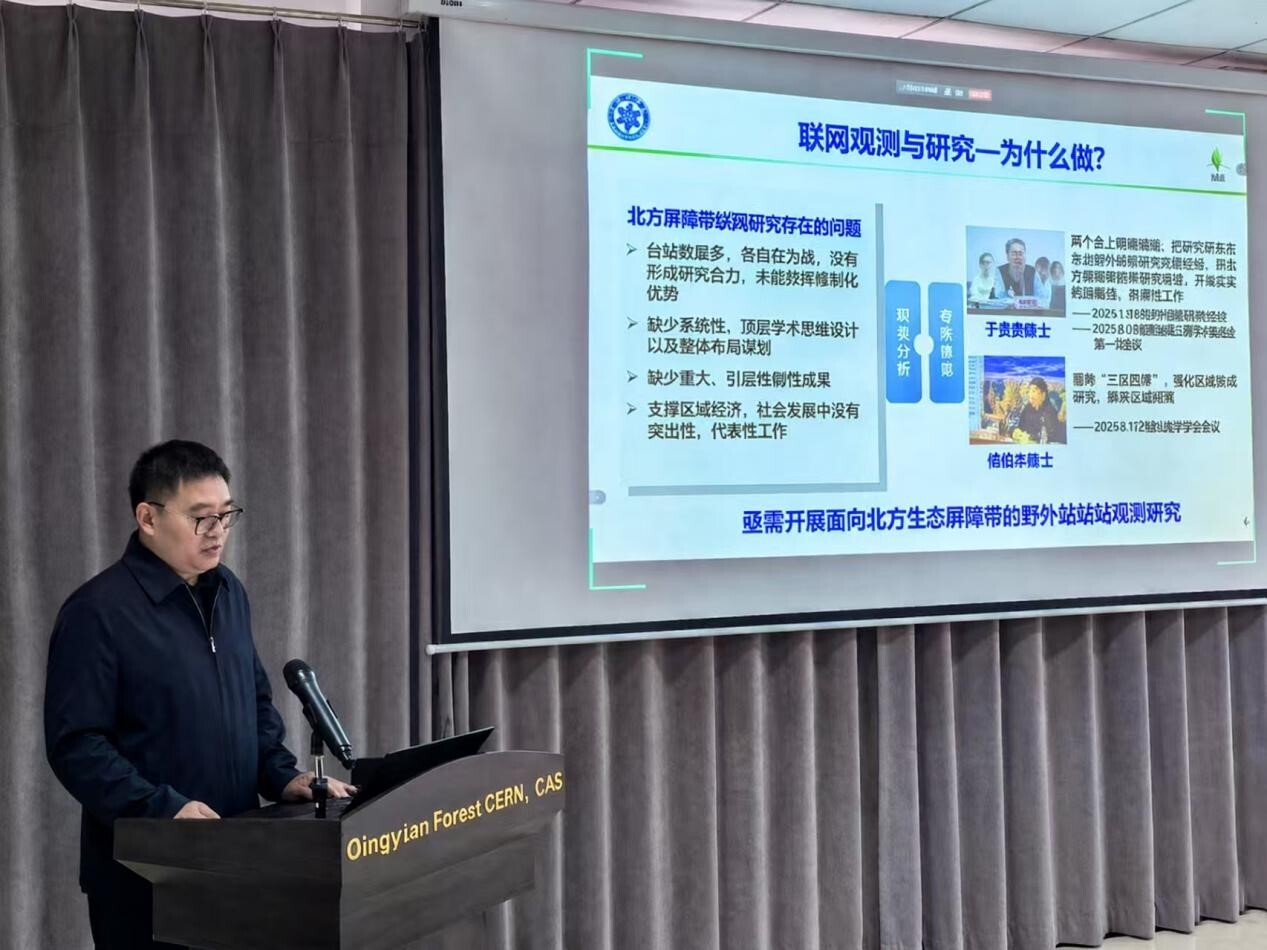
Figure 2. SUN presents a framework for linking IAE's four field research stations in southern Northeast China
