RESEARCH PLATFORMS
Changtu Station
I. Overview
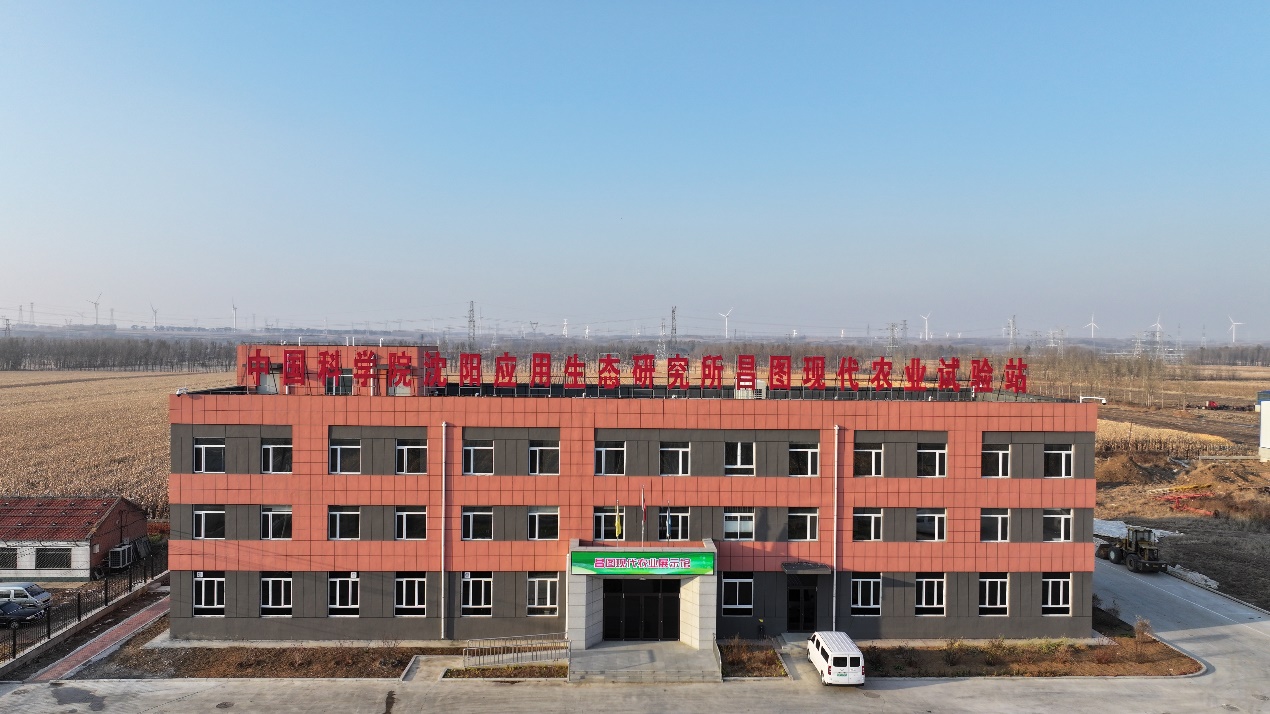
The Changtu Modern Agricultural Experimental Station of the Institute of Applied Ecology, Chinese Academy of Sciences (referred to as the Changtu Station), is located in Laocheng Town, Changtu County, Tieling City, Liaoning Province (123°57′ E, 42°47′ N). Established in 2021, the Changtu Station functions as a comprehensive base that integrating fundamental research, technological development, demonstration and extension, and public science education, thus supporting the development of modern agriculture in Liaoning Province.
II. Strategic Positioning
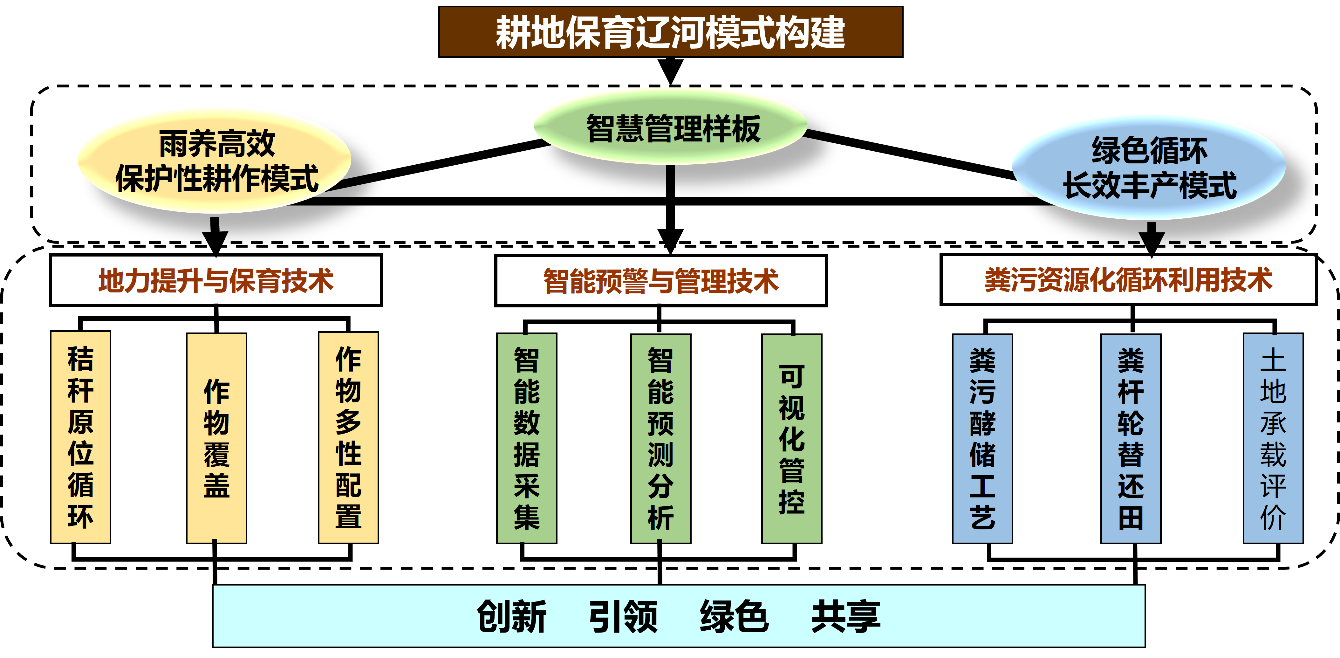
Aligned with national strategies for food security and ecological safety, the Changtu Station focuses on cutting-edge technologies for black soil conservation and utilization. Guided by the principles of ‘Innovation, Leadership, Green Development, and Sharing’, the Changtu Station has established a long-term located research and comprehensive monitoring platform for typical dryland farming ecosystems. It conducts in-depth studies on models and mechanisms of black soil conservation and utilization, establishing sustainable systems for enhancing soil fertility and ensuring soil productivity.It aims to develop new quality productive forces by technological innovation to advance agricultural modernization and support rural revitalization. By establishing intelligent, precision-based and efficient modern farming practices, it delivers integrated solutions for green and sustainable agricultural development. Within the framework of climate smart agriculture, the Changtu Station serves as a pioneering base for testing and adopting superior seeds, advanced machinery, and innovative farming practices, thus building a model for modern agricultural development in the Liaohe River Plain.
III. Research Focus and Objectives
By targeting the comprehensive development of typical dryland farming ecosystems in the Liaohe River Plain, the Changtu Station prioritizes research into black soil protection, soil conservation, and productivity enhancement, thus clarifying the mechanisms for improving black soil fertility and ensuring sustainable agricultural productivity.
Primary research directions include:
1. Long-term systematic monitoring and research of resources and environmental factors in farmland ecosystems.
2. Principles for efficient regulation of water and soil resources in degraded black soil and technologies for restoration of soil functions.
3. Development and application of new type and green fertilizers for efficient nutrient utilization and environment protection.
4. Establishment of integrated crop-livestock organic resource recycling systems and evaluation of agricultural sustainability.
5. Research and development of long-term soil productivity and intelligent management systems.
IV. Technology Development and Demonstration
1. Development of Black Soil Protection and Utilization Models for Increasing Crop Yield and Soil Productivity
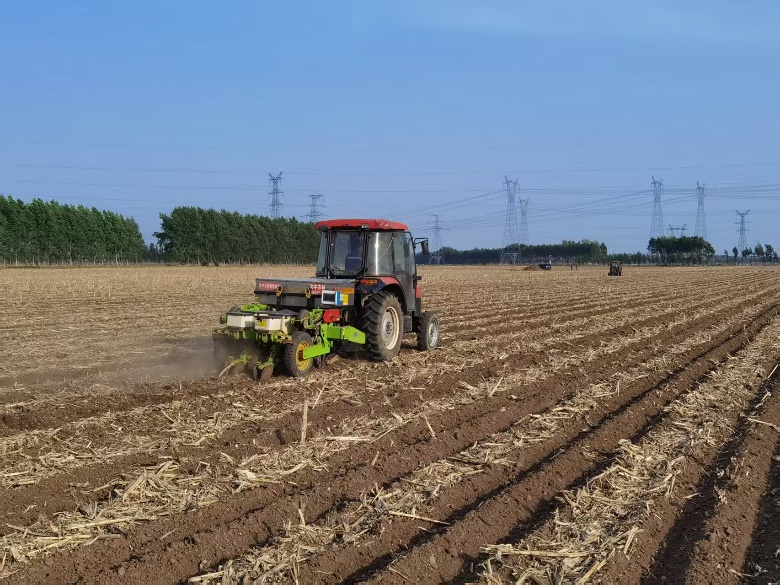
To deal with challenges of nutrient limitation in farmland, constrained water and soil resources, and underutilized accumulated temperature advantages in the Liaohe River Plain, the Changtu Station has developed an integrated technical model for in-situ recycling of maize straw to conserve soil productivity. It establishes a conservation tillage system that optimizes mechanical operation in the entire cropping process–from plowing and planting to management and harvesting, thereby integrated forming a productive, efficient, and sustainable planting mode (The Changtu Mode).
2. Integrated Crop–Livestock Systems for Efficient Resources Utilization and Soil Fertility Improvement
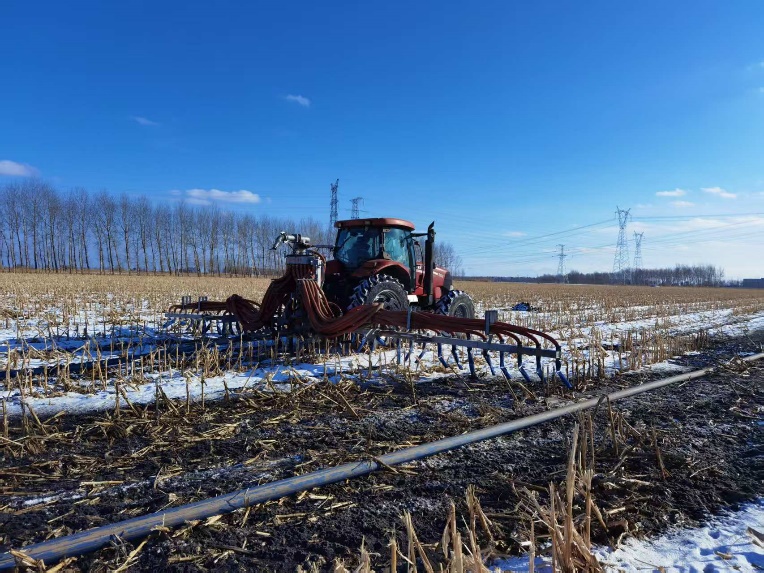
Addressing the issue of wasted livestock manure resources while decreasing soil fertility, the Changtu Station initiative develops “simultaneous resource recovery and harmless treatment” technology guided by the principle of ‘storage and simultaneous fermentation of whole amount slurry’. This involves constructing simplified facilities for comprehensive, harmless, and systematic manure resource utilization, prioritizing compliance over the utilization technique through solid-liquid phase separation. By developing conservation tillage technologies that synergize manure fertilizer with crop residues, the Changtu Station provides scientific guidance for the rational utlization of livestock manure in cropping systems, thereby enhancing soil productivity, improving resource efficiency, and resolving bottlenecks in the coordinated development of crop-livestock farming.
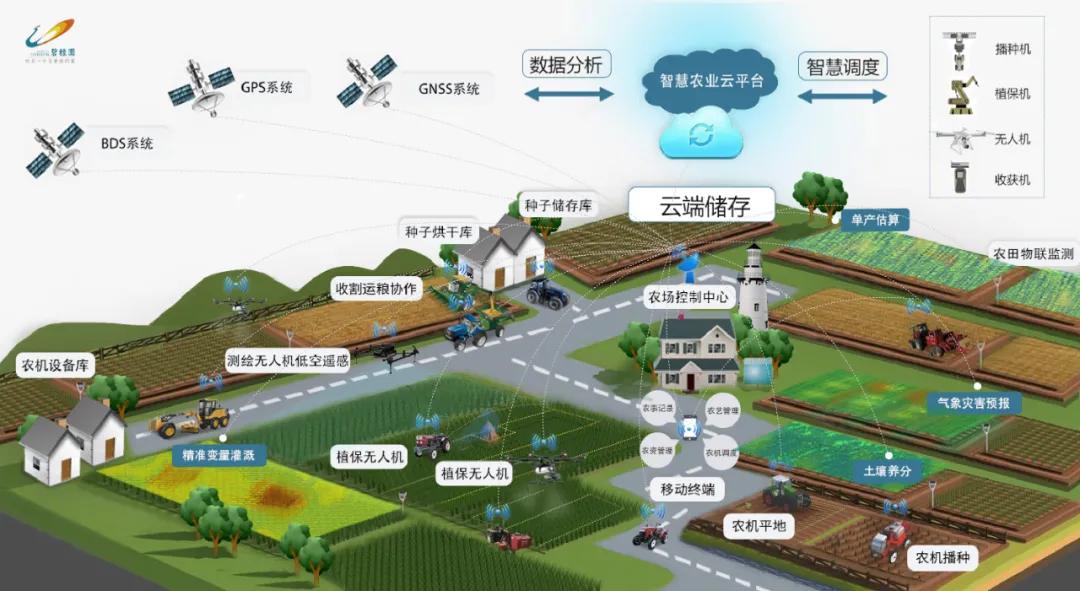
3. Smart Agriculture Technologies for Digital Nutrient Diagnosis and Precision Management
Integrating soil conservation with nutrient spectral inversion, geographic information systems and artificial intelligence, the Changtu Station employs a framework of long-term location plus multi-dimensional monitoring for precision regulation of plant growth. By developing inversion models for key growth parameters of crops such as canopy nitrogen content using UAV-based multispectral remote sensing, it develops real-time, variable-rate nutrient management technology for the entire crop growth period. This technology improves the precision of resource allocation during crop growth, optimizes crop nutrient use efficiency, supports the green development of modern agriculture, and fully releases grain production potential of farmland.