RESEARCH PLATFORMS
Huitong Station
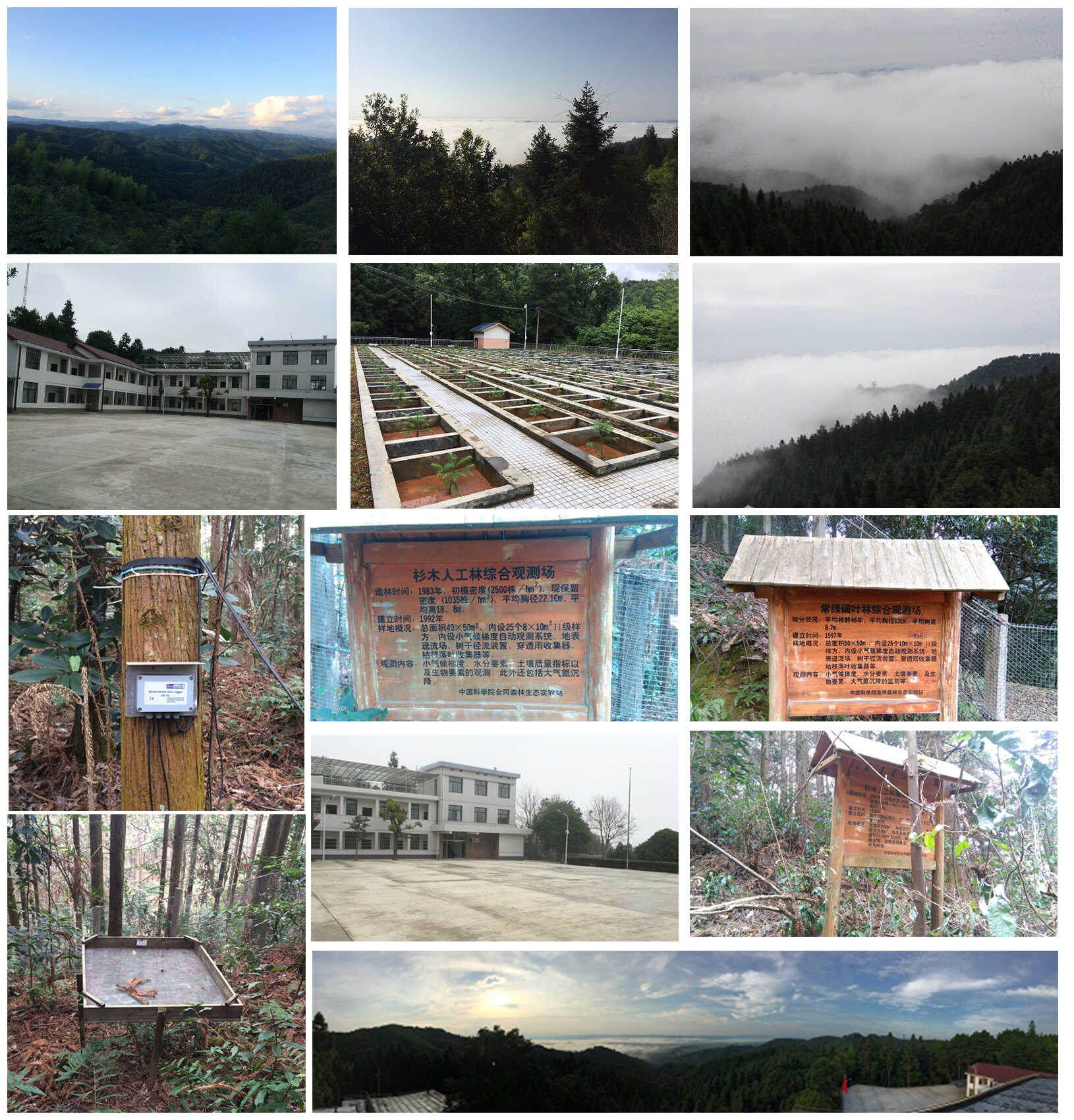
Located in Huitong County, Hunan Province(26°45'N and 109°30'E), Huitong National Research Station of Forest Ecosystem is affiliated to the Institute of Applied Ecology of Chinese Academy of Sciences. It was founded in 1960 with the original goal of understanding the basic processes underlying the plantation forest and how to sustain management of plantation forest at higher level. It became one of the stations of Chinese Ecosystem Research Network (CERN) in 1989 and was promoted to one of the national field stations in 2005. The work of the station is focused on ecosystem ecology of subtropical forest, especially on inter-species relations in mixed plantation forest and optimization of plantation forest structure and function, chemical ecology of plantation forest, root ecology of forest, soil organic matter process and ecological management of forest soil
Research orientation
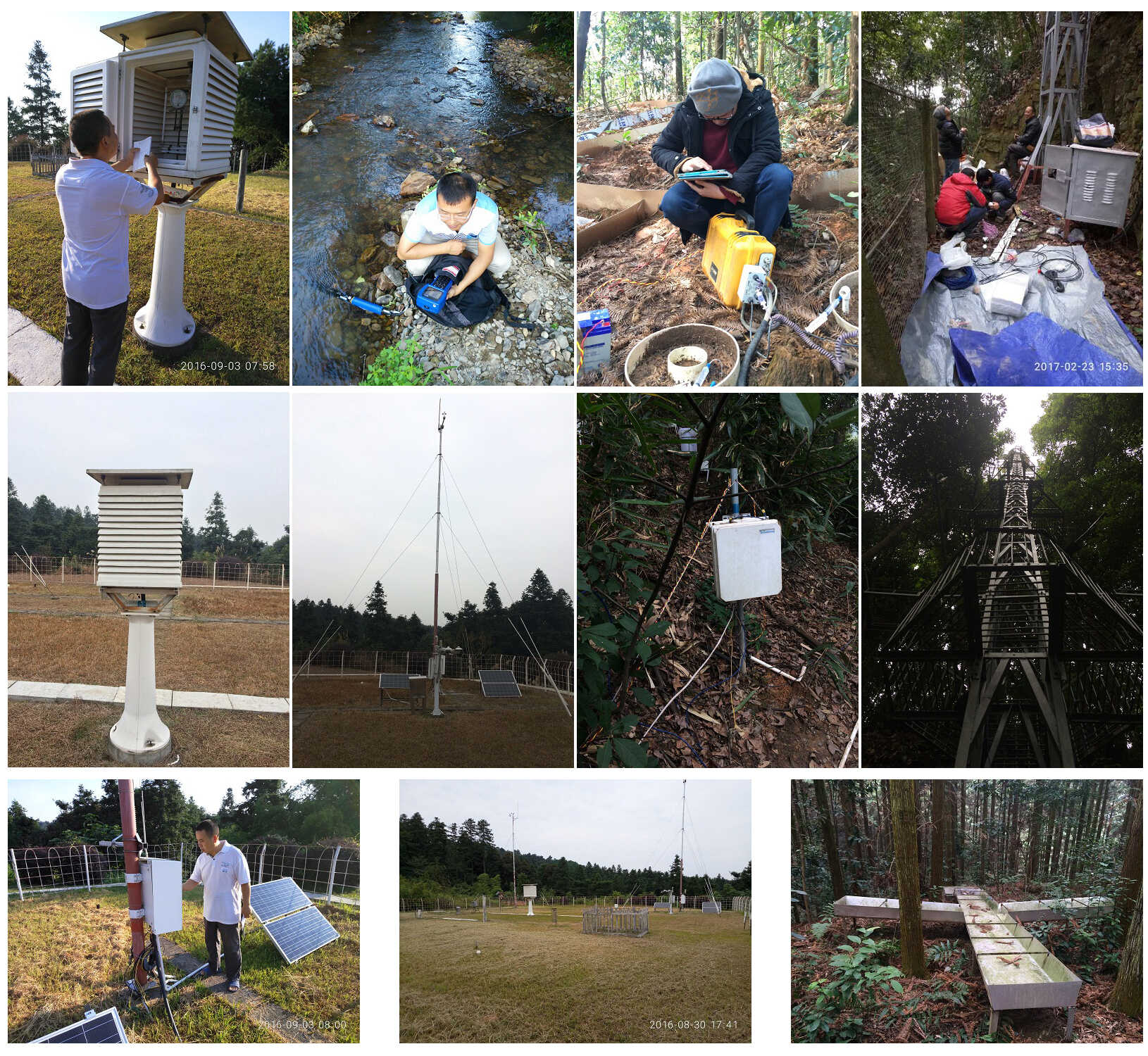
Based on Wuling Mountain Biodiversity and Soil Conservation National Key Ecological Function Area, and the vulnerable ecological area in the middle reaches of the Yangtze River, HTF carries out long-term observation and comparative study on forest ecosystem structure and ecological process of the subtropical evergreen broad-leaved forest and timber plantation forest, with the fulfillment of the strategic requirements of regional ecological security and the target of international forefront of forest ecosystem ecology. Our tasks are to explore the relationship among the structure, ecological process and service function of forest ecosystem, as well as the regulation mechanism of the ecological restoration process, to research and develop the technologies for ecological restoration and reconstruction of the evergreen broadleaved forest, to developthe technologies of the integrated assessment and improvement of regional forest ecological service, to provide scientific support for regional ecological security and timber production, and to training cutting-edge elites for China's forest ecology field
Research direction
1)The structure and service function of ecosystem in subtropical forests. With the emphases on the relationship between ecosystem structure process and ecosystem service,we are planning to elucidate the formation mechanism of the main ecological servicein the Biodiversity and Soil Conservation National Key Ecological Function Area in Wuling Mountain.
2)The biogeochemical cycling in subtropical forests. With highlights on the local ecologicalproblems, such as forestdegradation and serious soil erosion, and global environmental change scenario, our plan is to understandthe biogeochemical cycles of carbon, nitrogen and water and their coupling mechanisms and to reveal the biogeochemical cycles of key substances in the process of forest degradation and restoration.
3)The formation and regulation mechanism of productivity in subtropical forests. Based on the comparative study of monoculture and mixed forest, we are planning to further research the interaction among inter-species and its influence on productivity in mixed plantation, to analyze the long-term effects of stand structure and management measures on soil ecological process during the development of plantation forest, and to develop the techniques and models of zonal forest reconstruction.
Academic Team
The station currently has 26 full time members, including 19 research staff and 7 technicians, and 11 guest scientises. The station has turned out 39 doctors, 49 masters and 1 postdoctoral student.
Facilities
The station owns 3000 m of living and working space in the headquarter, can accommodate over 50 2 scholars and students facilitating workshops and training classes. Another 500 m of building of 3700 m provides space for labs equipped with instruments, including inorganic analysis, organic chemistry, tree physiology, soil organism and microorganism labs.