

RESEARCH NEWS
-
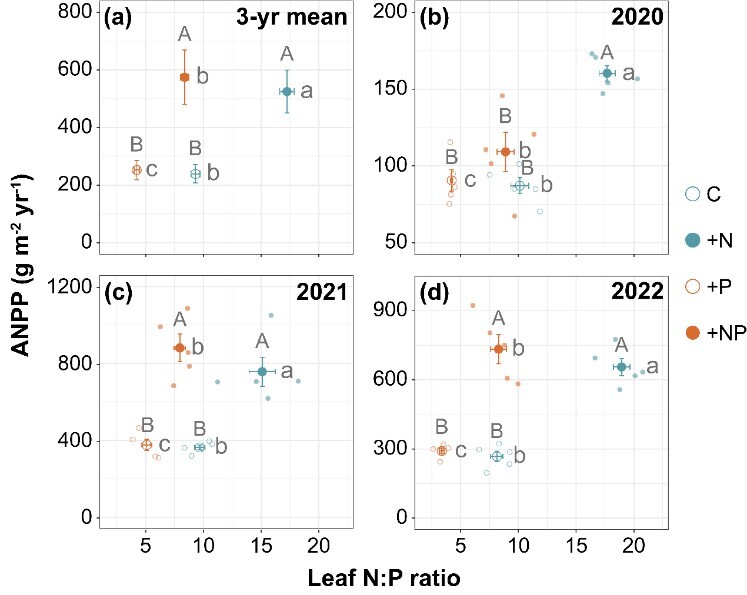 Study Questions Reliability of Leaf N:P Ratio as Indicator of Nutrient Limitation in GrasslandsA research team at the Institute of Applied Ecology, Chinese Academy of Sciences, has found that the widely used leaf nitrogen-to-phosphorusratio may not reliably indicate nutrient limitation in grassland ecosystems.Apr 09, 2026
 -
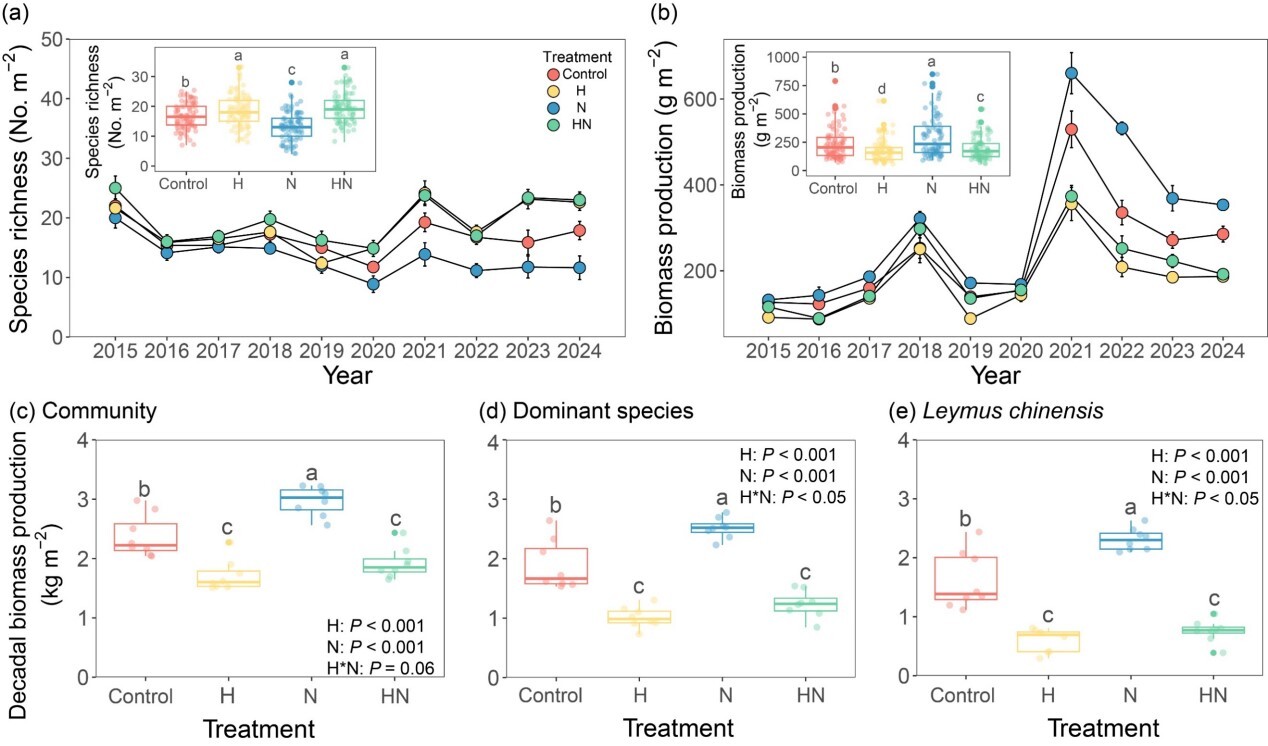 Long-term Study Examines How Nitrogen Input and Hay Cutting Interact to Shape Grassland ProductivityA decade-long field experiment in northern China has found that low-level nitrogen addition increases grassland biomass only under non-harvested conditions, while its effect disappears when grasslands are subjected to annual hay cutting.Apr 09, 2026
 -
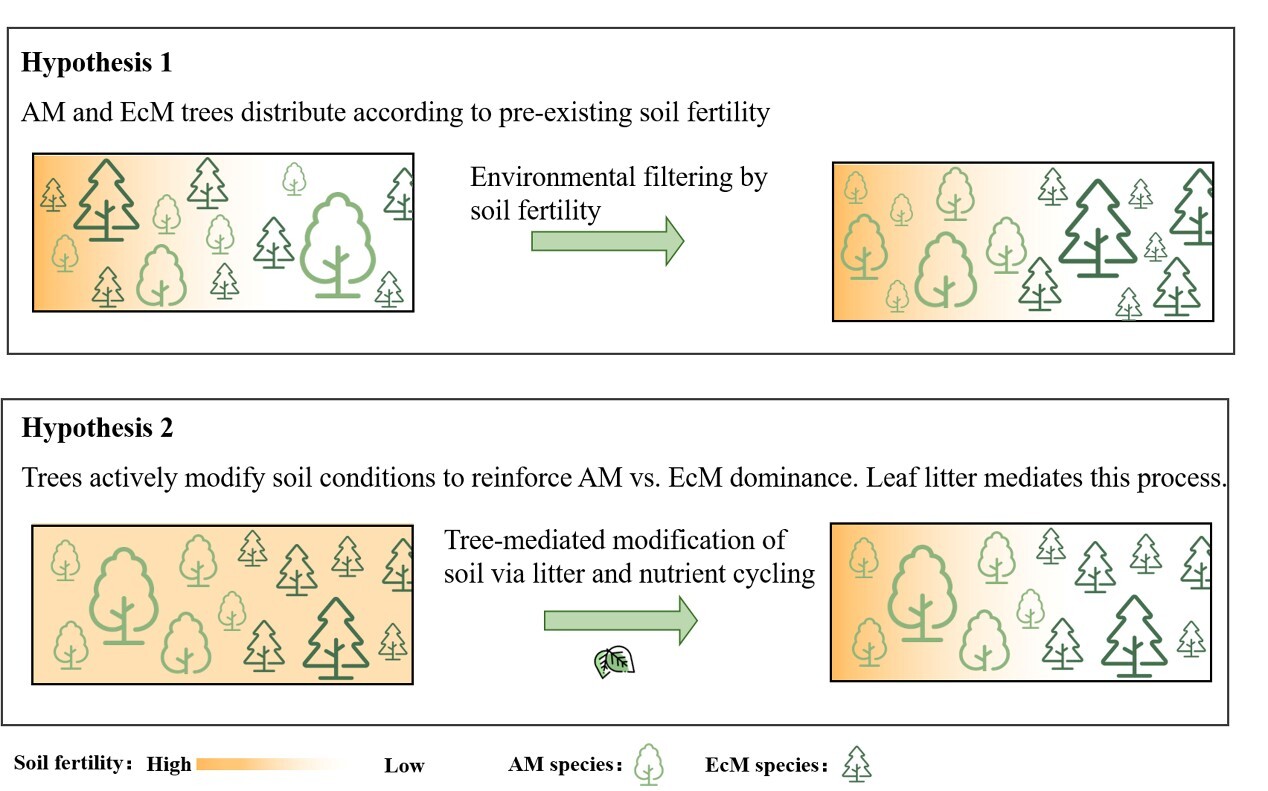 Soil Fertility was Found to Shape Distribution of Mycorrhizal Tree Types in Temperate ForestsConceptual framework illustrating two hypotheses for the distribution of AM-and EcM-associated tree species along a soil fertility gradient.Apr 08, 2026
 -
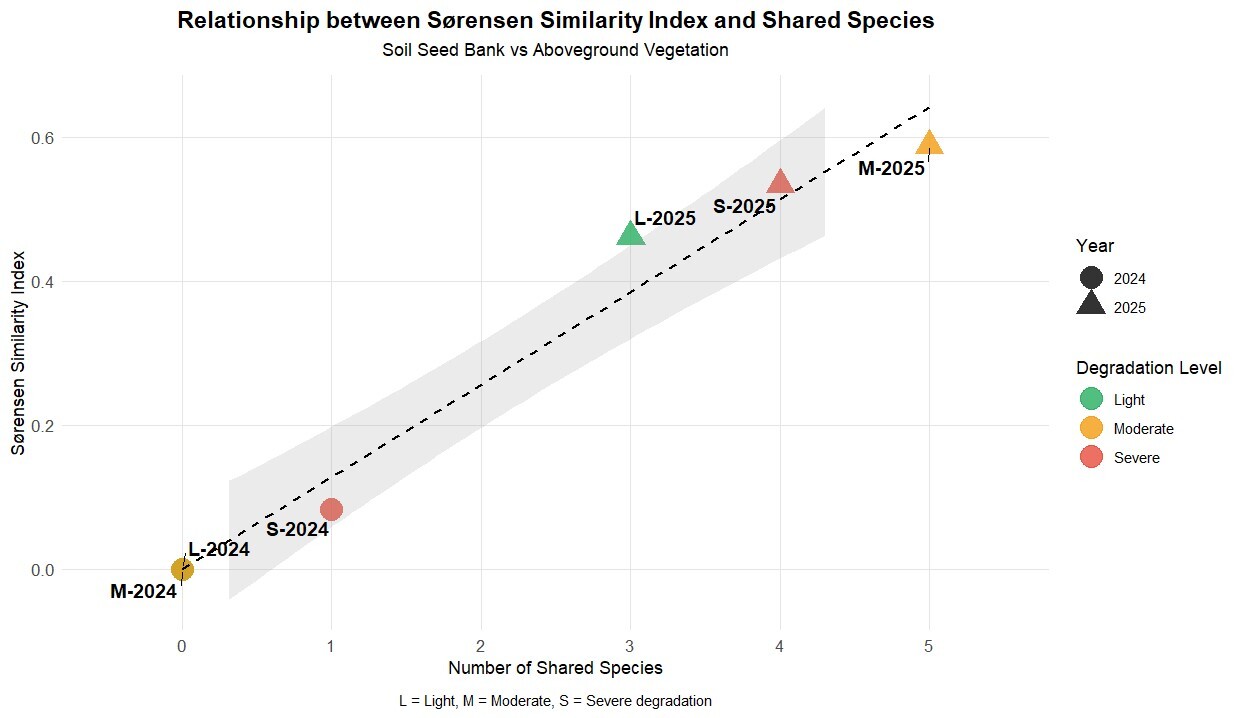 Native Vegetation Configuration Improves Stability of Restored Desertified Grasslands in Northern ChinaRelationship between the Sørensen similarity index and the number of shared species between soil seed banks and aboveground vegetation in lightly, moderately, and severely desertified grasslands during 2024 and 2025.Apr 07, 2026
 -
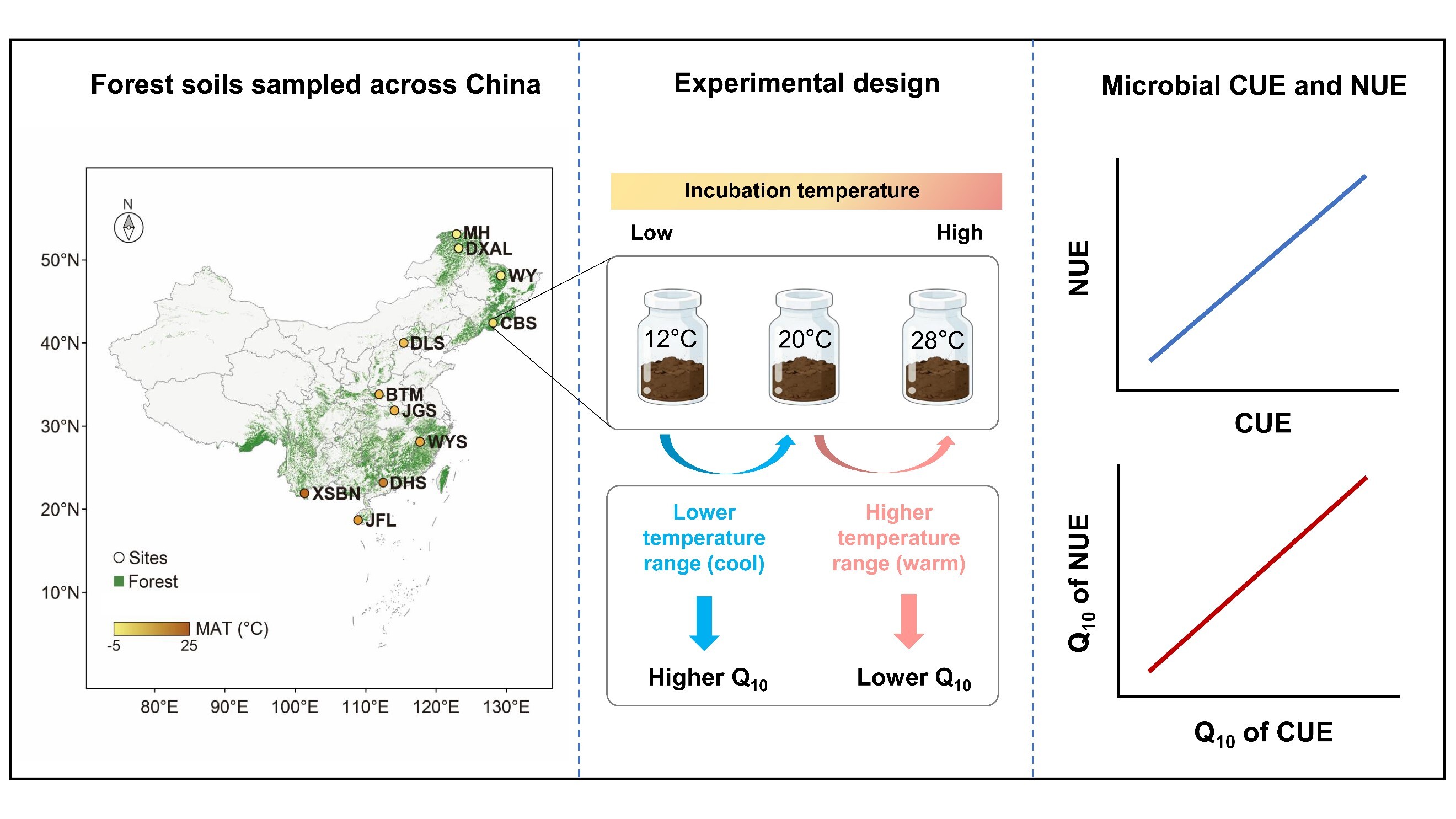 Coupled Temperature Sensitivity of Microbial Carbon and Nitrogen Use Efficiencies Across a Continental-Scale Forest TransectStudy location, experimental design, and overview of the coupled temperature sensitivity of microbial carbon and nitrogen use efficiencies.Mar 27, 2026
 -
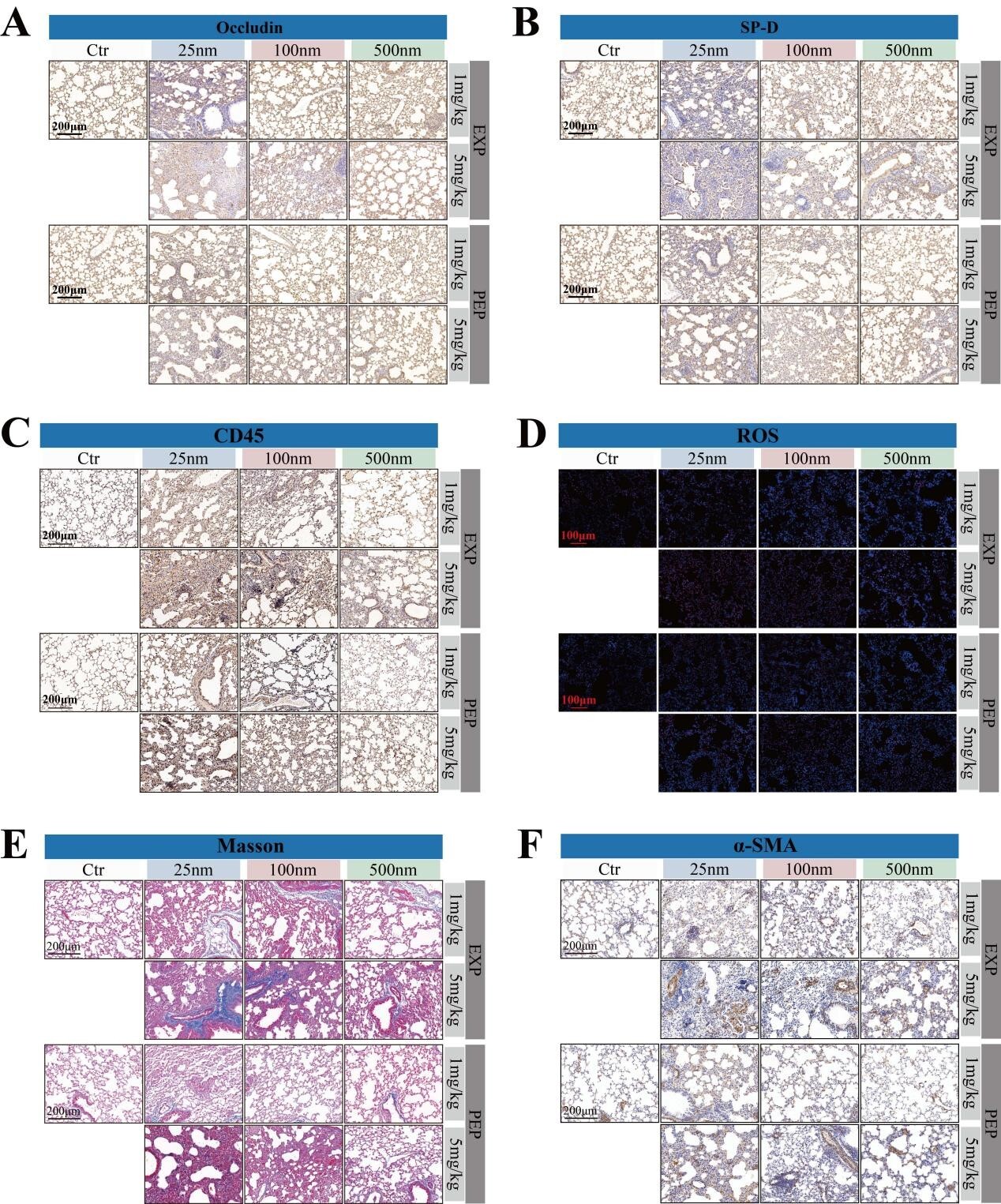 Study Reports Sustained Pulmonary Injury Induced by Repeated Exposure to Polystyrene Nanoplastics in MiceExposure to polystyrene nanoplastics induces alveolar epithelial barrier injury, inflammatory responses, oxidative stress, and fibrosis-related changes in mouse lung tissue.Mar 18, 2026
 -
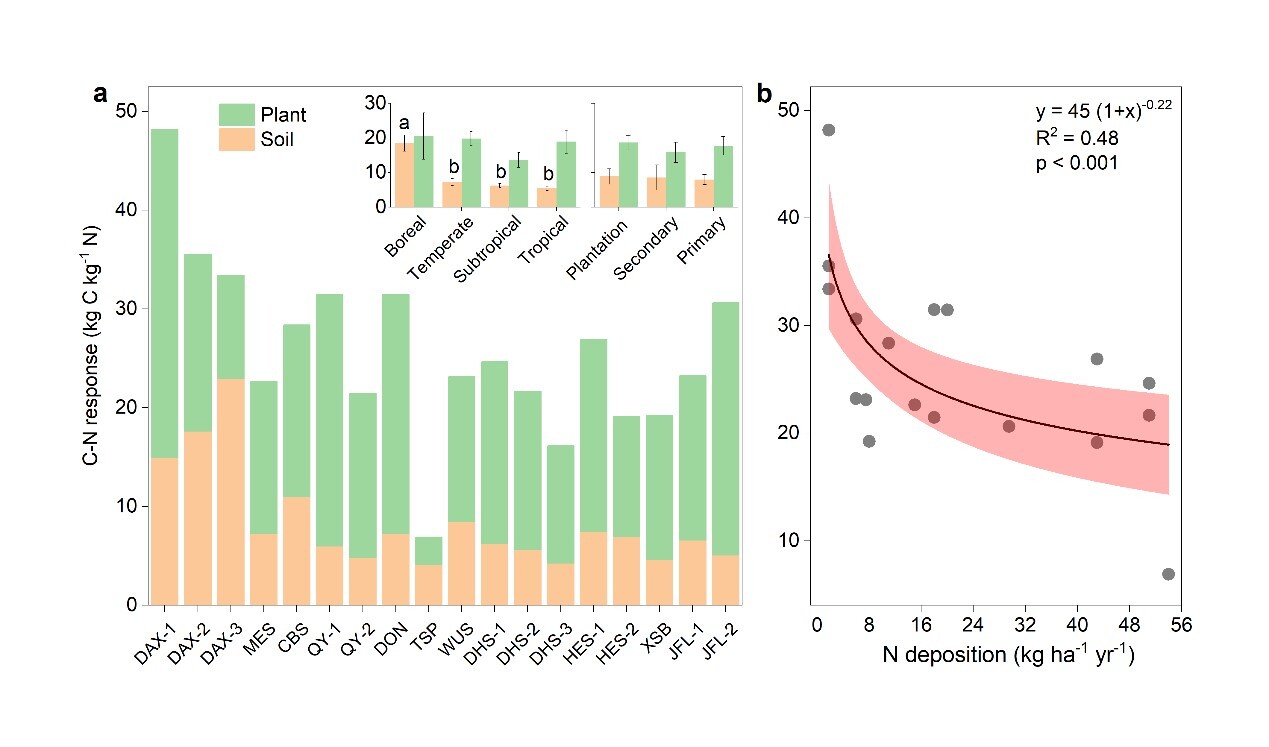 Researchers Leads National Synthesis on Forest Nitrogen Retention and Carbon Sequestration in ChinaA research team from the Institute of Applied Ecology, Chinese Academy of Sciences (CAS), has clarified how deposited nitrogen is retained in forest ecosystems and how this process contributes to carbon sequestration across China. The findings were published in the international journal Global Change Biology .Feb 10, 2026
 -
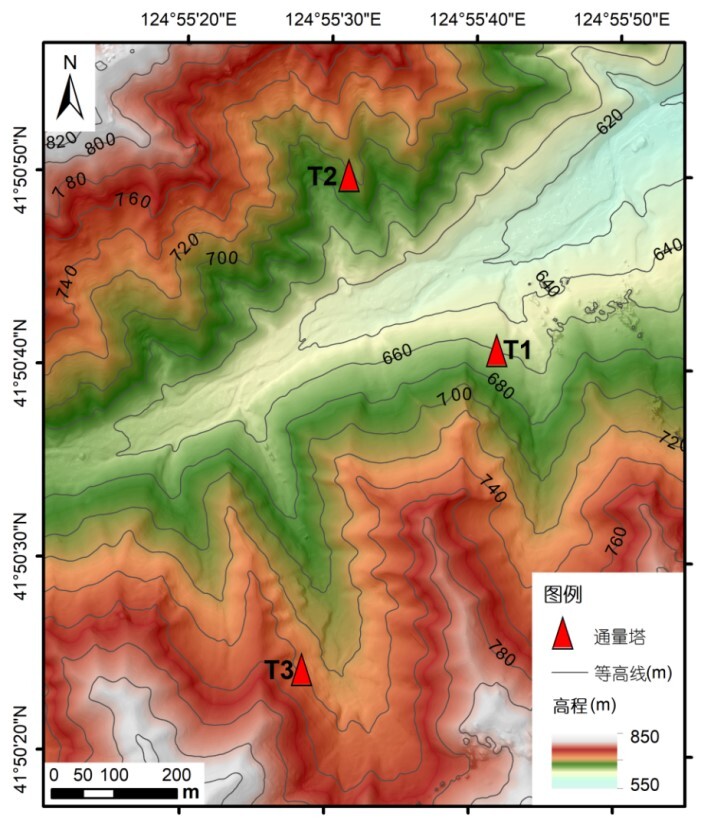 Multi-Tower Observations Improve Understanding of Wind regimes and Carbon Fluxes in Mountainous ForestsResearch group from the Institute of Applied Ecology, Chinese Academy of Sciences (CAS),led by Academician ZHU Jiaojun, have reported a series of findings that advance understanding of wind regimes in mountainous forest ecosystems and their implications for carbon flux measurements.Feb 06, 2026
 -
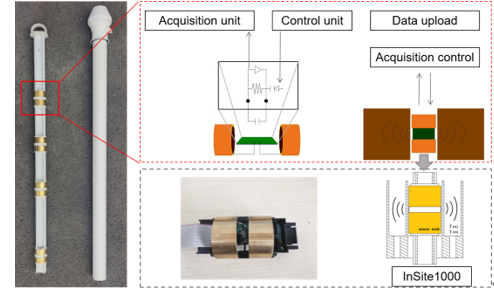 In-Situ Sensor Enables Real-Time Monitoring of Soil Nitrate NitrogenResearchers from the Institute of Applied Ecology, Chinese Academy of Scienceshave developed a new sensor that enables rapid, in-situ monitoring of soil nitrate nitrogen, a key nutrient for crop growth.Jan 28, 2026
 -
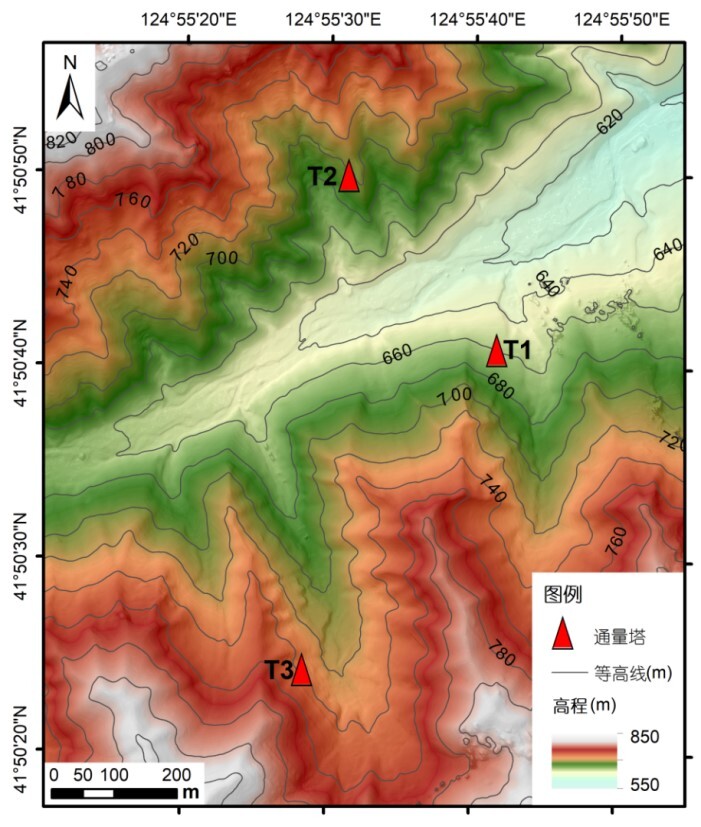 Multi-Tower Observations Improve Understanding of Wind regimes and Carbon Fluxes in Mountainous ForestsResearch group from the Institute of Applied Ecology, Chinese Academy of Sciences (CAS),led by Academician ZHU Jiaojun, have reported a series of findings that advance understanding of wind regimes in mountainous forest ecosystems and their implications for carbon flux measurements.Feb 06, 2026
