

RESEARCH NEWS
-
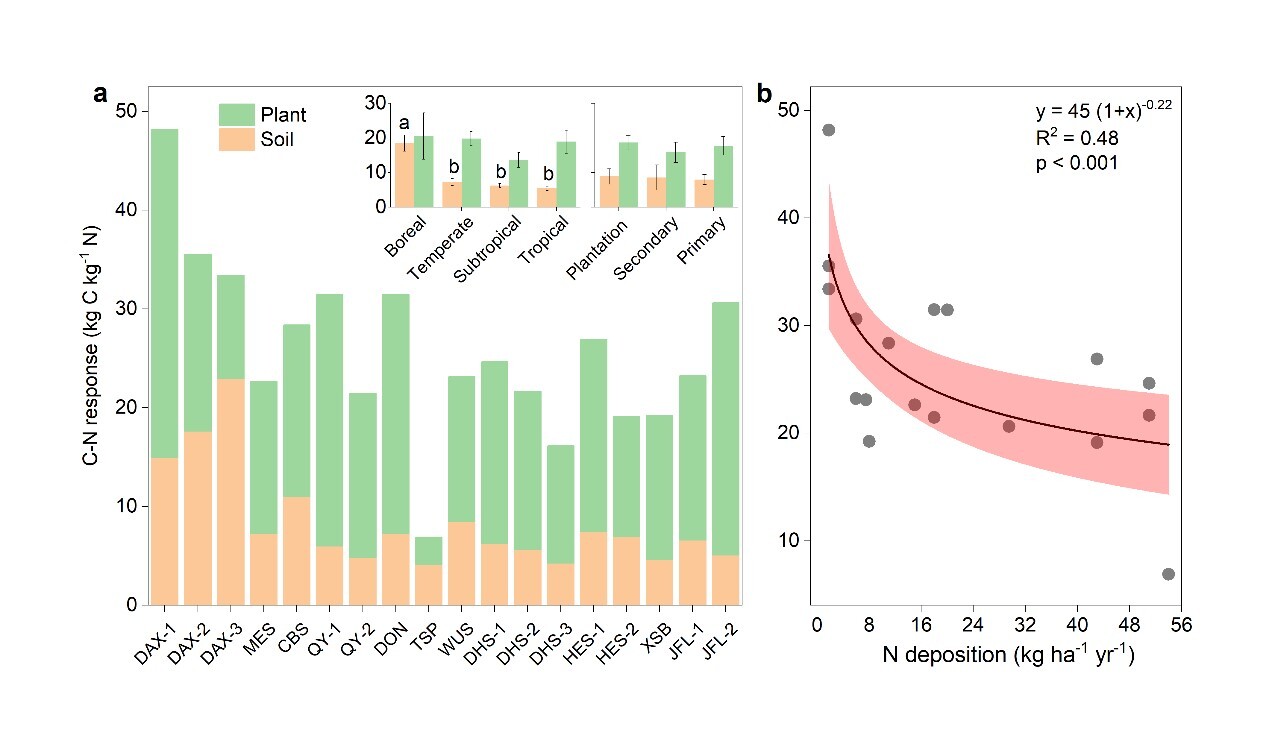 Researchers Leads National Synthesis on Forest Nitrogen Retention and Carbon Sequestration in ChinaA research team from the Institute of Applied Ecology, Chinese Academy of Sciences (CAS), has clarified how deposited nitrogen is retained in forest ecosystems and how this process contributes to carbon sequestration across China. The findings were published in the international journal Global Change Biology .Feb 10, 2026
 -
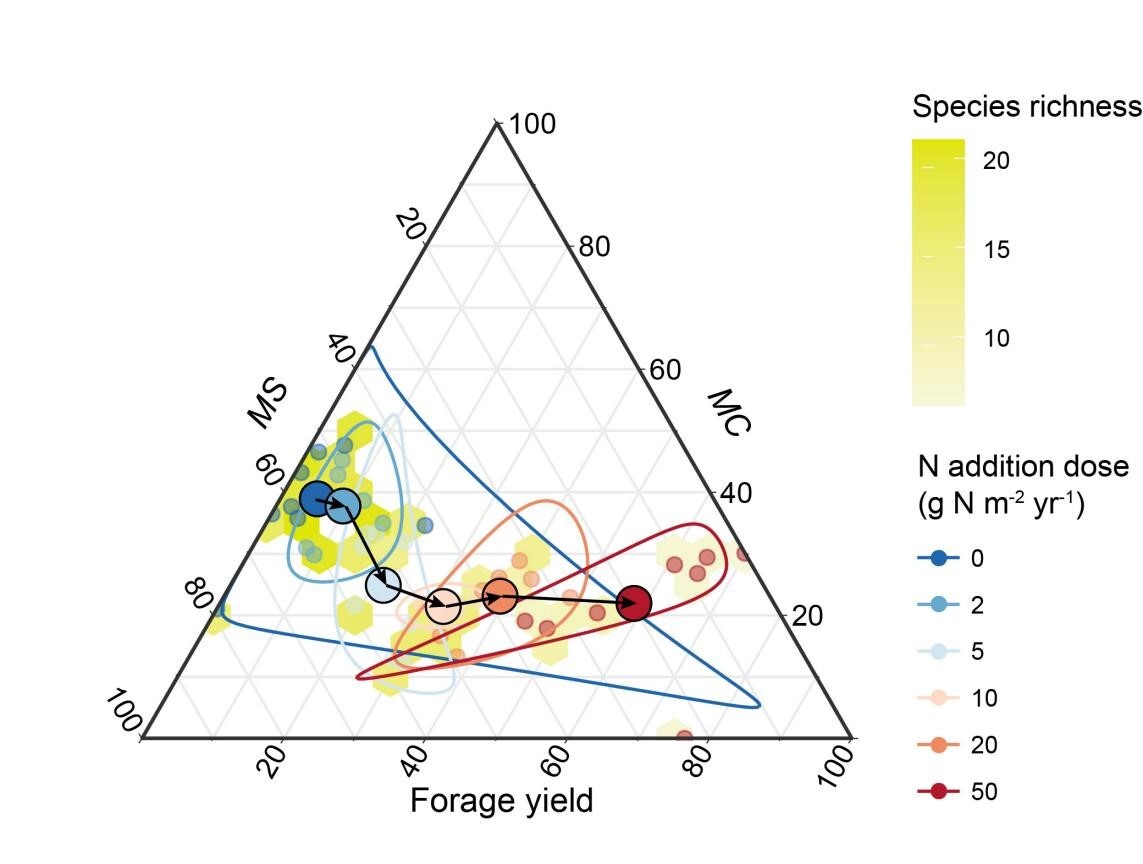 Long-Term Field Study Finds Nitrogen Fertilization Weakens Non-Nitrogen Mineral Nutrition in Meadow Steppe ForageDr. Lü Xiaotao’s team conducted the study using a 10-year nitrogen addition experiment at the Hulunbuir meadow steppe. They examined the responses of forage non-nitrogen mineral nutrition with two indices: standardized mineral concentration (MC), a composite index summarizing how the concentrations of eight minerals collectively deviate from livestock minimum requirements under nitrogen addition, and expected mineral stability (MS), a unitless metric representing the community's capacity to maintain a sufficient multi-mineral supply through simulated species losses. Together, these indices quantify the integrative mineral status and its potential stability across nitrogen-addition gradients.Dec 25, 2025
 -
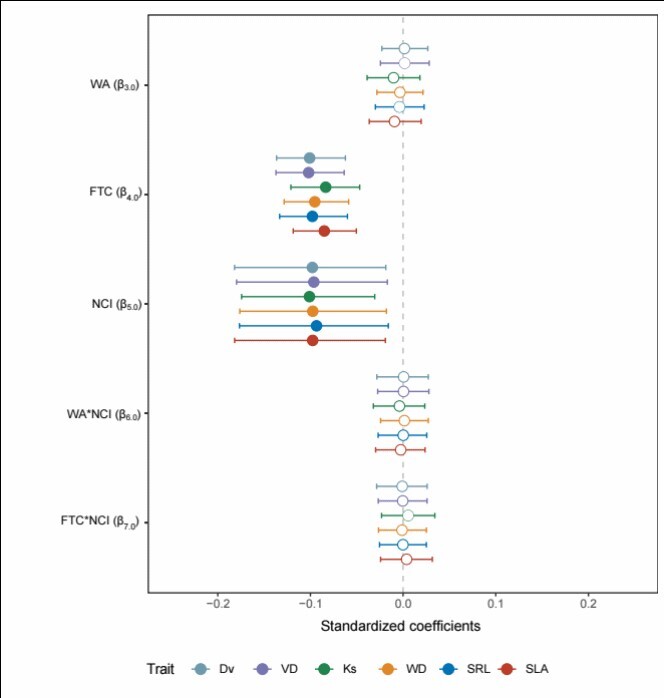 Winter Freeze-Thaw Cycles and Neighborhood Crowding Constrain Tree Growth in Temperate ForestsLed by Prof. WANG Xugao, REN Jing (Postdoctoral) and FANG Shuai (Associate professor) conducted an eight-year monitoring program in the 25-ha Changbaishan Forest Dynamic Plot within the Changbai Nature Reserve. They analyzed annual radial growth from 2010-2017 for 593 trees representing 20 common deciduous broadleaved species, and evaluated how winter freeze-thaw cycles, summer water availability, neighborhood crowding, and functional traits jointly shape growth patterns.Dec 25, 2025
 -
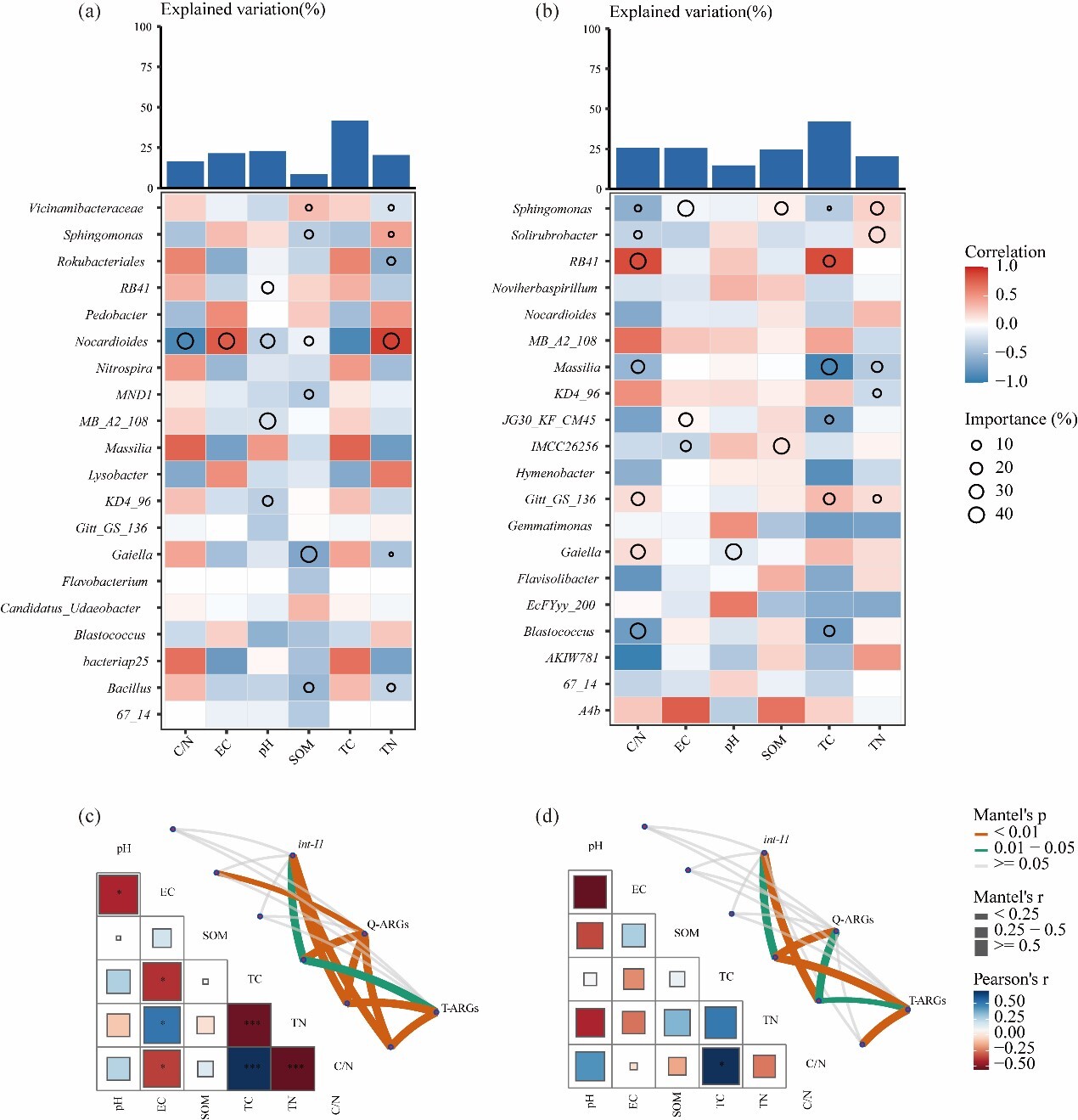 A Cold-Tolerant Soil Bacterium Shown to Inhibit Antibiotic Resistance Genes Under Freeze–Thaw ConditionsResearchers at the Institute of Applied Ecology of the Chinese Academy of Sciences have reported their findings on how a cold-tolerant soil bacterium can help curb the spread of antibiotic resistance genesin agricultural soils exposed to seasonal freeze – thaw cycles.Dec 22, 2025
 -
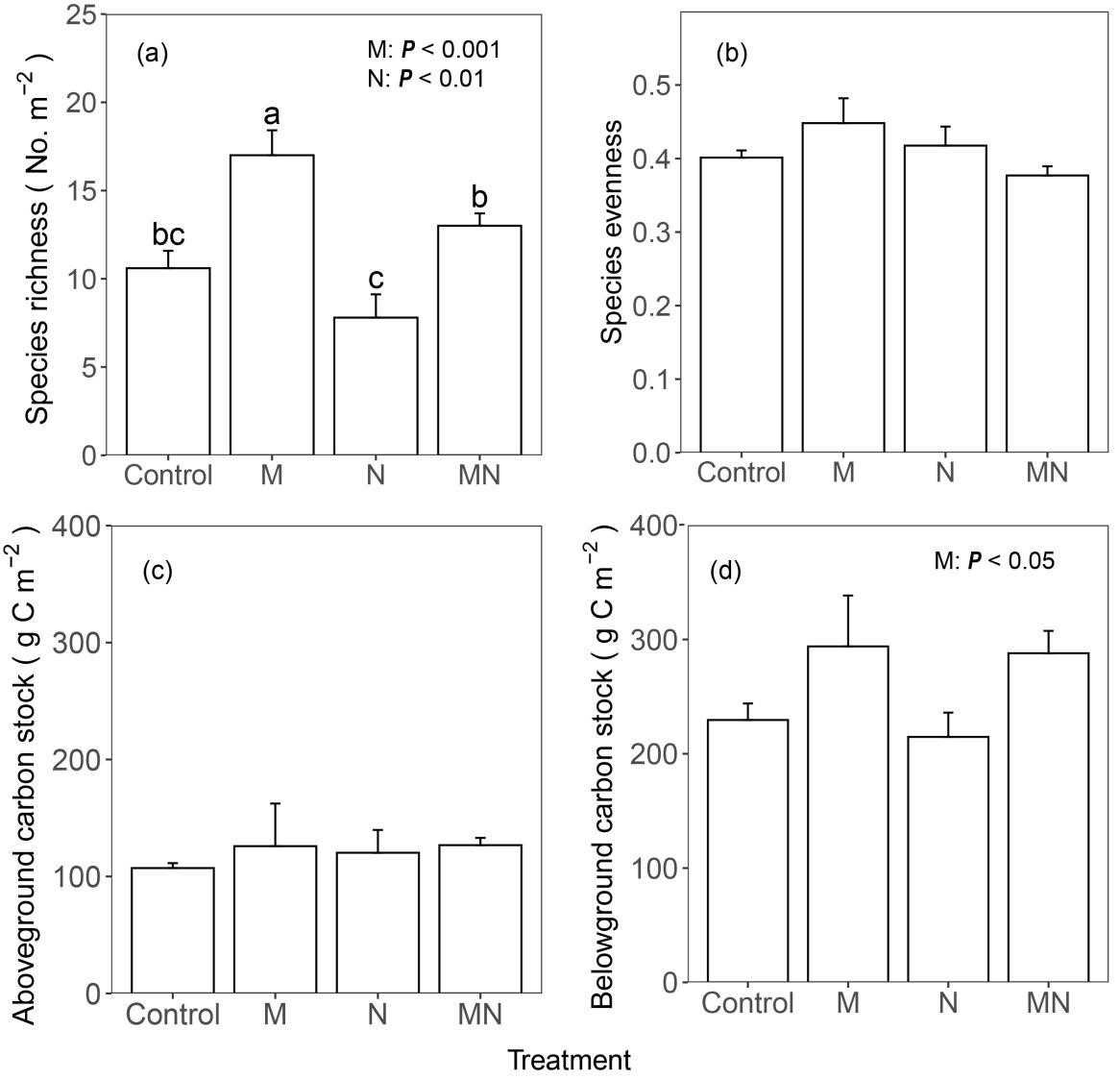 Mowing Increases Belowground Carbon Storage by Reshaping Grassland Plant CommunitiesDr. Lü Xiaotao’s team conducted a long-term manipulaitve experiment at the Erguna Forest–Steppe Ecotone Research Station and quantified root biomass and carbon storage of each plant species in the grassland communities. The researchers found that belowground carbon stocks at the community level were more than twice of those stored aboveground. They also found that annual mowing increased belowground carbon storage by approximately 30 percent, and this pattern held true under both ambient N condition and the condition with nitrogen fertilizer application.Dec 09, 2025
 -
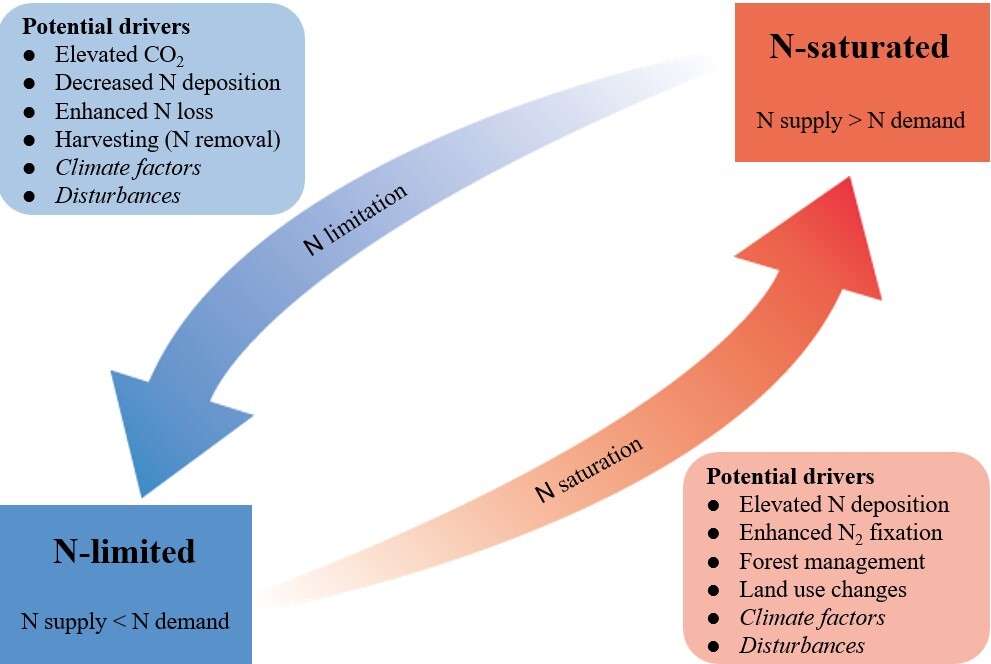 Framework Proposed for Assessing Nitrogen Conditions in Forest Ecosystems Under Global Environmental ChangeResearchers from the Institute of Applied Ecology (IAE) of the Chinese Academy of Sciences have proposed a structured framework for evaluating the nitrogen (N) status and nitrogen balance of forest ecosystems in the context of rapid global environmental change.Dec 09, 2025
 -
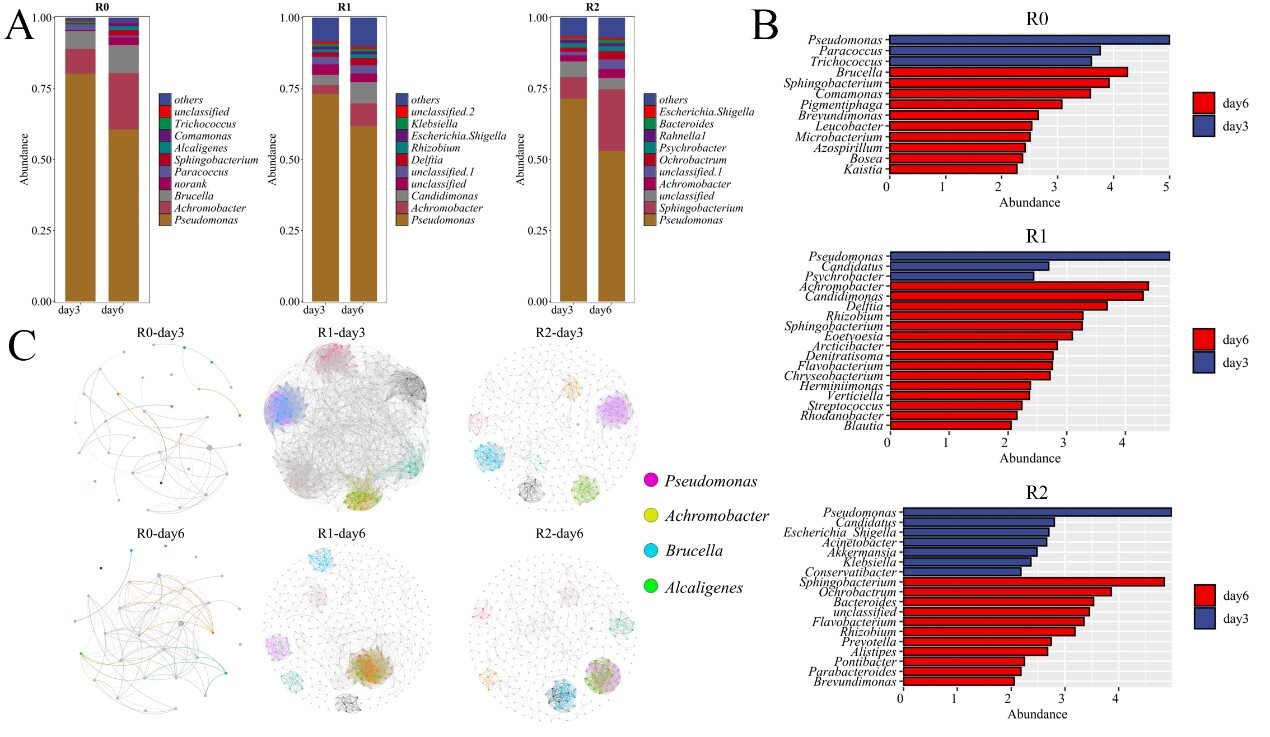 Scientists Uncover How Microbial Consortia Break Down LigninA research team from the Institute of Applied Ecology (IAE) of the Chinese Academy of Sciences has provided new insight into how microbial communities work together to break down lignin.Dec 09, 2025
 -
New Study Quantifies Warming Response of Soil Gaseous Nitrogen Losses in a Temperate ForestThe study entitled"Climate warming reduces soil gaseous nitrogen losses in a temperate forest"was published in Proceedings of the National Academy of Sciences.Nov 27, 2025
-
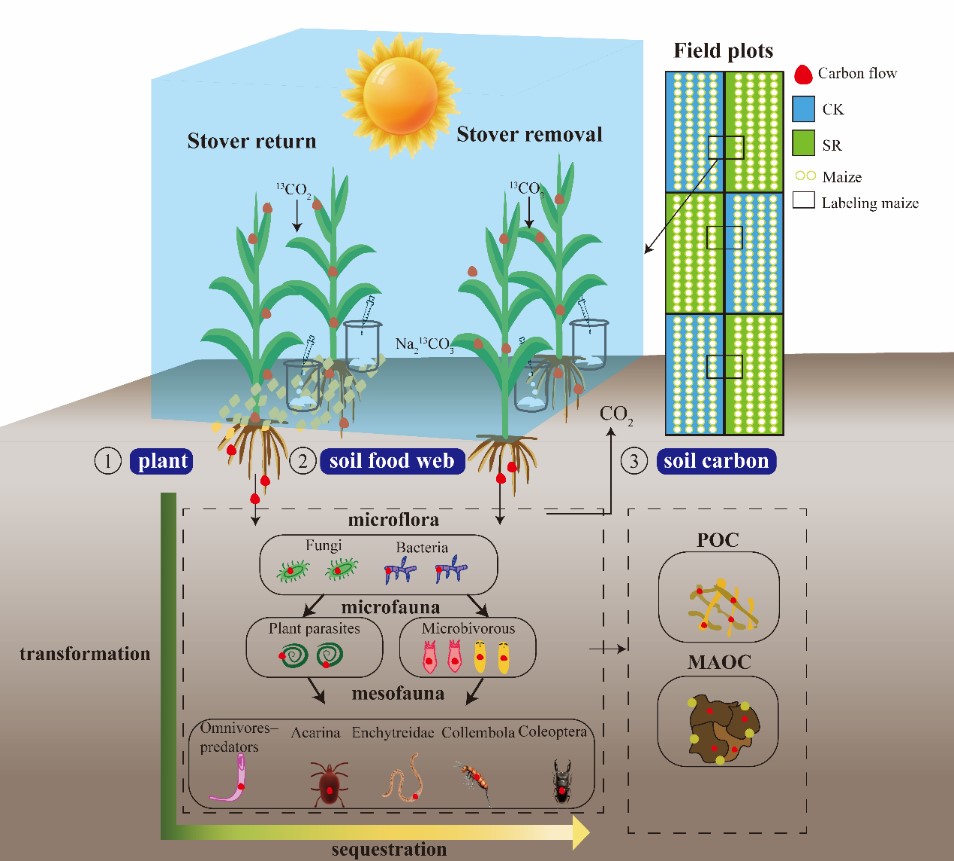 Soil Food Webs Boost Carbon Retention in FarmlandsResearchers from the Institute of Applied Ecologyof the Chinese Academy of Scienceshave identified how soil food webs promote the transformation and storage of photosynthetic carbon in farmlands.Nov 19, 2025
 -
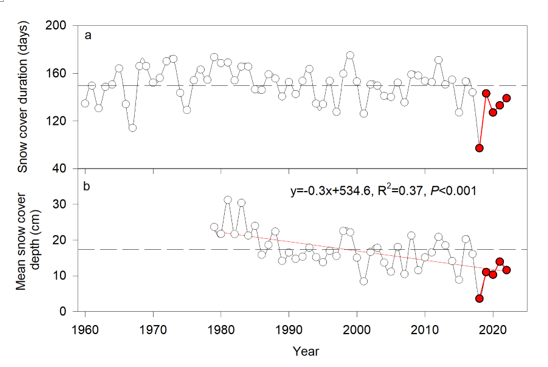 Mechanism underlying the dieback of natural Pinus sylvestris var. mongolica forests on sandy landThe research team of Drs. ZHU Jiaojun and SONG Lining proposed two interconnected hypotheses. First, continuous human fire suppression has disrupted the natural fire cycle, enabling the buildup of tree pathogens and pests that weaken forest health. Second, warmer winters driven by climate change have reduced snow cover duration and depth, leading to less snowmelt water in early spring and intensifying soil moisture stress during the trees’ key growing season.Nov 19, 2025
