

RESEARCH NEWS
-
 Direct Runoff Characteristics Respond to Urbanization in Urban Functional ZonesUrbanization is a worldwide phenomenon, with population density continuing to grow and urban area to expand. Urban sprawl inevitably leads to non-urban land being converted to built-up areas, resulting in a significant increase in the proportion of impervious surfaces.Sep 11, 2018
 -
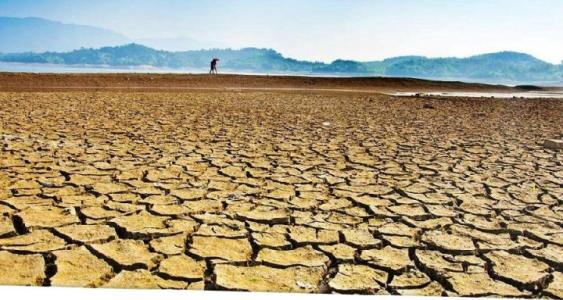 Plant Community Nutrition Differently Respond to Experimental Drought along Aridity gradient in Grasslands of Northern China, Scientists SayAs a consequence of global warming and associated climate change, the drought events and frequents was predicted to increase in the future. These changes will showed great impacts on grasslands structure and functions, as precipitation is the main driver for plant growth and development in this region. Therefore, understanding how plant species respond to drought has been a key issue for both plant physiologists and ecologists. As nitrogen (N) and phosphorus (P) are the two most important essential nutrients that limit plant growth, maintenance, and reproduction in terrestrial ecosystems, the responses of N and P to drought can be used to partly explain the population dynamics and ecosystem functioning under drought conditions.Sep 07, 2018
 -
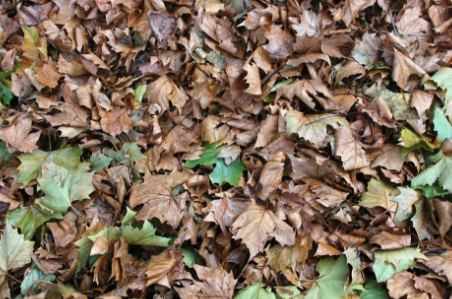 Researchers Reveal the Indirect Effects of Nitrogen Deposition on Community-level Litter Chemical TraitsLitter chemical traits are one of the dominant controls on litter decomposition. Increasing atmospheric nitrogen (N) deposition is expected to alter litter chemical traits at the community level in both direct (altering intraspecific chemistry) and indirect ways (changing species abundance and composition). Compared to intraspecific changes, the role of changes in species composition in driving the responses of community litter chemicals to N enrichment has been seldom quantitatively addressed.Jul 27, 2018
 -
 Scientists Find Effect of Mixed Inorganic and Organic Nitrogen Addition on Soil Microbial Biomass and P TurnoverSoil phosphorus (P) is an essential nutrient element that plant need for growth, which can be affected by the increasing atmospheric nitrogen (N) deposition and the changes in soil microbial biomass. Actually, the atmospheric N deposition consisted of inorganic N and organic N. However, little is known about the changes in soil microbial biomass under mixed inorganic N and organic N addition as well as their relationships with soil P turnover in temperate forest ecosystems.Jul 24, 2018
 -
 Researchers Reveal the Mechanisms Determining the Effectiveness of Soil Electrokinetic RemediationElectrokinetic (EK) remediation technology is a method of remediating heavy-metal contaminated soil by applying a low-density direct current across the soil. The EK process mainly involves two processes:Jul 12, 2018
 -
 Researchers Reveal Effects of Different Body-sized Mammals on Community and Trait Structure of Ground BeetlesMammalian herbivores (e.g. cattle, sheep, deer, rabbits) can affect plant diversity, vegetation structure and ecosystem productivity. The changes in vegetation characteristics may in turn affect abundance and diversity of many invertebrates, depending on the intensity, timing, duration of grazing and the productivity of the habitat.Jul 04, 2018
 -
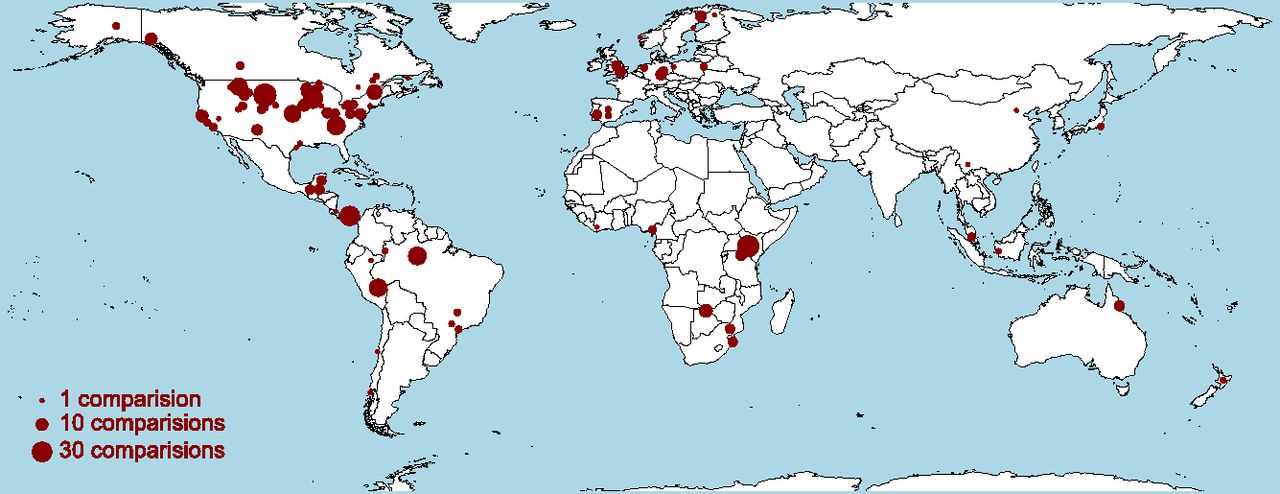 Meta-Analysis Highlights the Roles of Herbivores on Plant CommunitiesHuman activities have led to a continuous decline in the number of animal populations on a global scale. The impact of herbivores on plants has thus received increasing scholarly attention.Jun 06, 2018
 -
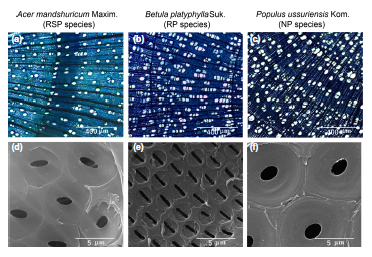 Temperate Tree Species Possess Divergent Hydraulic Strategies to Cope with Frost-induced Xylem Embolism, Scientists SayIn high-altitude temperate forests, freeze-thaw cycles damage the hydraulic transport function of woody species by inducing embolisms in xylem conduits. Winter embolism may have severe negative effects on plant performance during the subsequent growing season if the impaired hydraulic transport function cannot be restored.May 31, 2018
 -
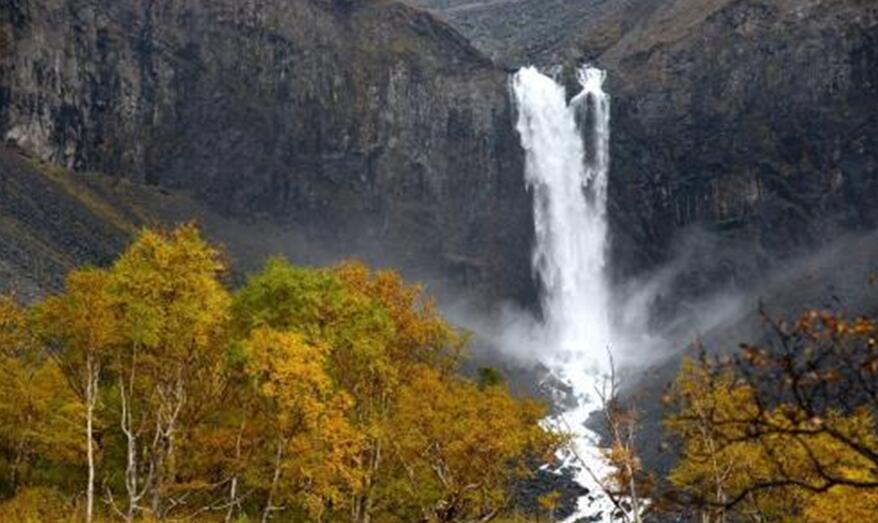 Researchers Reveal Correlations between Leaf Size, Hydraulic Architecture and Carbon Assimilation Capacity in Compound-leaved Tree SpeciesCompound-leaf form has long been hypothesized to be responsible for higher photosynthetic and growth rates of compound-leaved tree species, but the underlying physiological mechanisms are largely unknown.May 29, 2018
 -
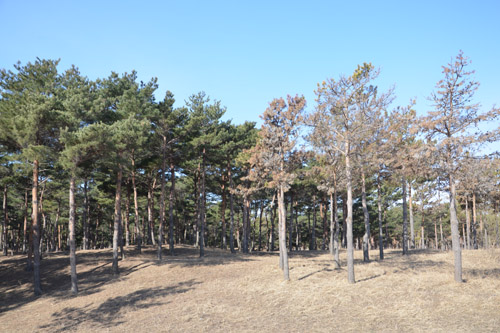 Researchers Reveal Mechanism Causing Pine Forest Decline in Water-limited RegionsA new study, conducted by researchers of the Institute of Applied Ecology (IAE), the Chinese Academy of Science (CAS), shows that Mongolian pine (Pinus sylvestris var. mongolica) trees grown on sandy lands respond to severe drought stress by adjusting hydraulic architecture with increasing tree size. Since this adjustment is unsustainable in terms of long-term drought stress and carbon imbalance, it eventually leads to growth decline and dieback of trees.May 23, 2018
