

News
Expert Group Conducts Field Investigation on Wind-Damaged Forest Recovery in Changbai Mountain
A group of academicians and leading forestry and ecological experts carried out a field investigation from May 30 to June 1 in the wind-damaged forest zone of the Changbai Mountain National Nature Reserve in northeast China’s Jilin Province, focusing on long-term vegetation recovery and ecosystem resilience following extreme storm impacts. The expert group also visited the Changbai Mountain Forest Ecosystem National Field Scientific Observation and Research Station to review research progress and discuss future scientific priorities for forest restoration and ecological risk prevention.
The expert group included researchers from the Chinese Academy of Forestry and the Chinese Academy of Sciences, such as ZHANG Shougong, LIU Shirong, ZHU Jiaojun and HE Xingyuan, along with WANG Junhui and other specialists. Local officials from the Changbai Mountain administrative committee and technical staff from forestry, conservation and research institutions in Jilin Province accompanied the field survey.
During the visit to the field station, the experts received a detailed briefing on its operational status, planned development under the 15th Five-Year Plan period, ongoing scientific layout and future infrastructure upgrades. The experts recognized the station’s long-term contribution to forest ecosystem research, while emphasizing the need to better consolidate scientific achievements accumulated over the past five decades. They noted that clearer synthesis of major research outcomes, stronger alignment with national funding priorities and more systematic identification of key scientific questions would be essential for advancing its next stage of development.
A major focus of the field investigation was the wind-damaged forest zone created by a severe typhoon in 1986, which affected approximately 9,900 hectares of primary forest across elevations ranging from 1,050 to 1,750 meters. The disturbance spanned multiple vertical vegetation belts, including broadleaf–Korean pine mixed forests, spruce-fir forests and Erman’s birch zones. Subsequent removal of windthrown timber in some areas, combined with limited natural regeneration capacity, significantly altered post-disturbance recovery processes. More than 40 years after the event, large portions of the affected area have transitioned into meadow-dominated vegetation communities. The shift is believed to have increased fire risk and complicated forest recovery, posing continued challenges to the ecological security of the Changbai Mountain region.
While examining vegetation composition and soil development conditions on site, the expert group reviewed restoration efforts and previous management practices reported by local forestry research and conservation units. Based on field observations, they suggested that future restoration strategies could consider spatially structured afforestation approaches, such as strip-shaped and patch-based planting patterns, to gradually facilitate forest recovery in heavily degraded areas.
The experts further stressed that the Changbai Mountain field station should make full use of its long-term ecological plots, remote sensing data and continuous field monitoring systems to strengthen research on the processes and mechanisms driving meadow formation in wind-disturbed zones. They called for closer collaboration among conservation authorities, provincial forestry agencies and research institutions to identify key barriers to forest regeneration and to carry out targeted experimental studies on restoration techniques. In addition, the expert group encouraged researchers at the station to actively pursue funding opportunities. The experts also emphasized the importance of refining scientific questions related to vegetation recovery across different elevation zones in Changbai Mountain, so as to provide stronger theoretical support for accelerating ecosystem restoration.
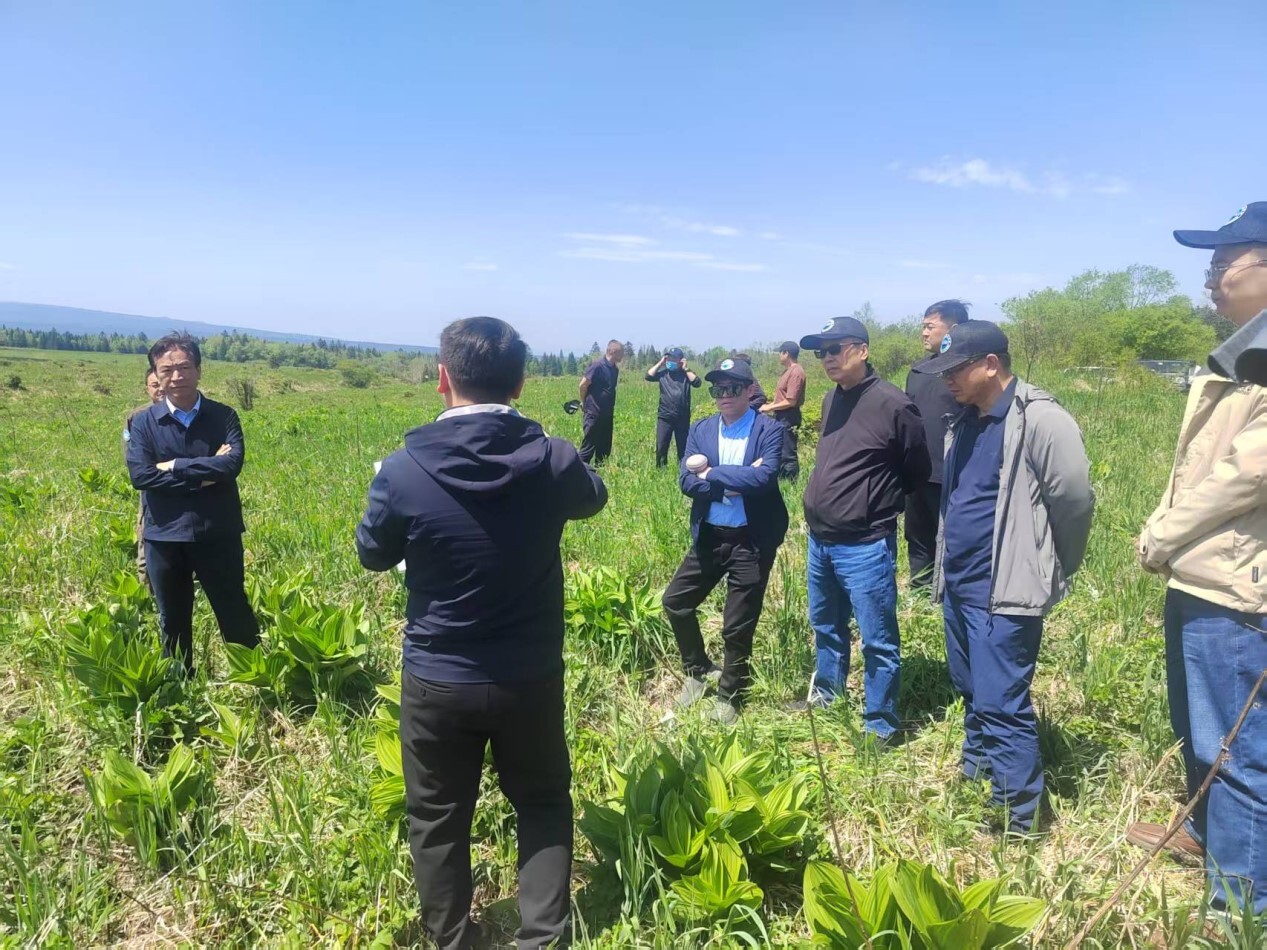
Figure 1. Field investigation in the wind-damaged area.
