

RESEARCH NEWS
-
Plastic Particles Harm Gut Health and Immunity in Mice, Study ShowsScientists have found that tiny plastic particles can accumulate in the intestines of mice and cause damage to their gut health and immune system.Dec 20, 2023
-
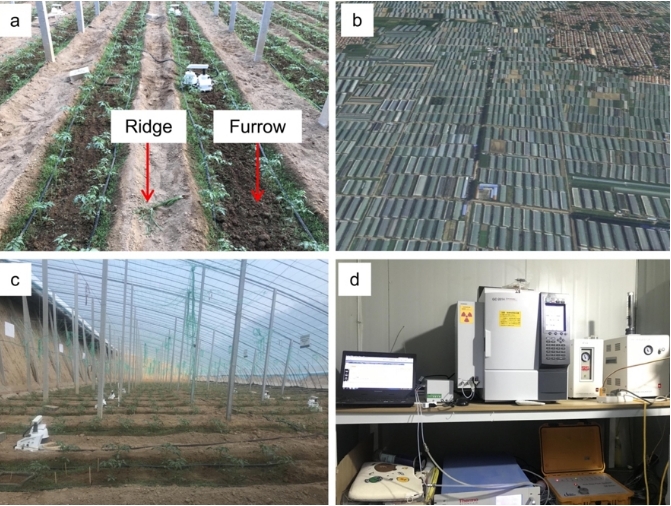 Greenhouse Vegetable Production Emits High Levels of Nitrous Oxide, Study FindsA new study has revealed that greenhouse vegetable production (GVP) systems are major sources of nitrous oxide (N2O) emissions, a potent greenhouse gas.Dec 20, 2023
 -
Northeast China Faces High Levels of Nitrogen Pollution, Study FindsA new study has revealed the extent and sources of nitrogen pollution in Northeast Asia, a region that suffers from severe air pollution and environmental degradation.Dec 13, 2023
-
How Microbes That Live On and Inside Plant Leaves Change With AltitudeA new study published in Journal of Biogeography, has revealed how phyllosphere microbiome vary with altitude in mountain forests.Dec 13, 2023
-
How Microbes Help Break Down Plant Litter Faster In Their Own Home-fieldScientists found that plant litter decomposes faster under its derived plant species, a phenomenon called home-field advantage (HFA).Dec 13, 2023
-
How Snow Changes Affect Land Ecosystems: a Review by Chinese ScientistsA new review by Chinese scientists reveals how changes in snow depth and melting time can have profound impacts on vegetation, soil and microorganisms.Dec 13, 2023
-
Researchers Reveal Mycorrhizal Type Regulating Plant-Soil Carbon in ForestsA recent study published in Nature Climate Change has reported mycorrhizae-mediated tradeoff between plant biomass and soil C sequestration in forest ecosystems under N deposition and warming conditions. This research was completed by Prof. ZHU Jiaojun’s research team at the Institute of Applied Ecology, Chinese Academy of Sciences (CAS).Nov 16, 2023
-
Plant Traits Help Predict Soil Carbon Cycle Processes in Grassland EcosystemsA team of Chinese scientists has discovered a link between plant traits and the rhizosphere priming effect (RPE), which is the change in soil organic matter decomposition caused by roots and microbes.Sep 20, 2023
-
How Plant Traits Mediate Grasslands Stability During DroughtThe researchers, led by Dr Luo Wentao from the Institute of Applied Ecology of the Chinese Academy of Sciences, studied how different types of plants in a grassland reacted to reduced rainfall over four years.Sep 20, 2023
-
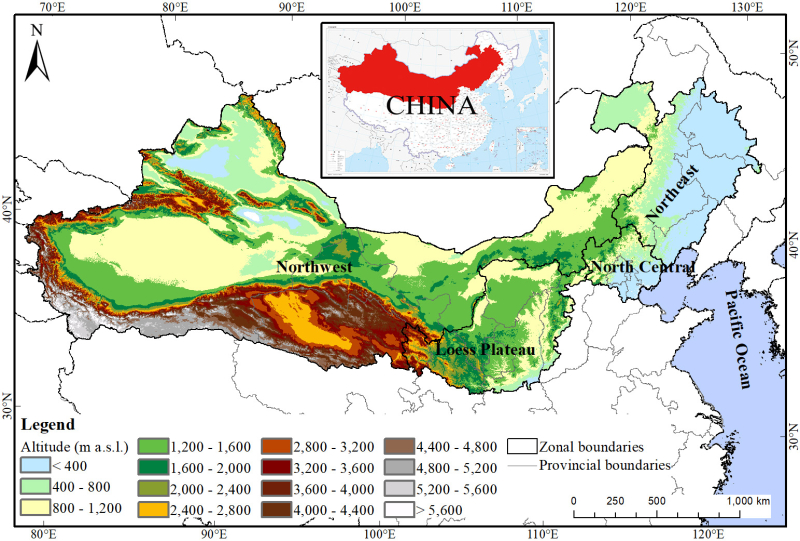 China’s ‘Great Green Wall’ Boosts Carbon SinkA new study by Chinese scientists has revealed that TNAP has also created a significant carbon sink, absorbing nearly 5% of the country’s total industrial carbon dioxide emissions between 1978 and 2017. The researchers used remote sensing images, field observations and national forest inventory data to estimate the increase in carbon stocks in biomass, soil and the ‘ecological effect carbon’ - mainly the carbon sequestration derived from the reduction of soil loss due to afforestation.Sep 20, 2023
