

RESEARCH NEWS
-
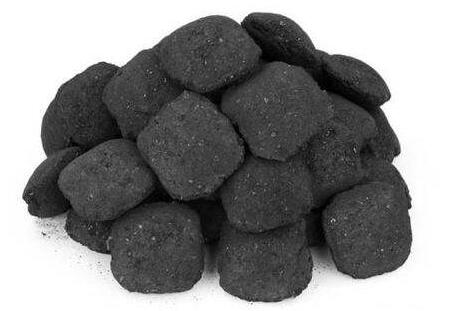 Scientists Enhance Sorption Ability of Biochars towards GalaxolideSynthetic musk is a common drug and personal care product. At present, there is no specific process for removing Jiale Musk (galaxolide, HHCB) from sewage, and the conventional sewage treatment technology has generally no effect on this component.Jan 30, 2019
 -
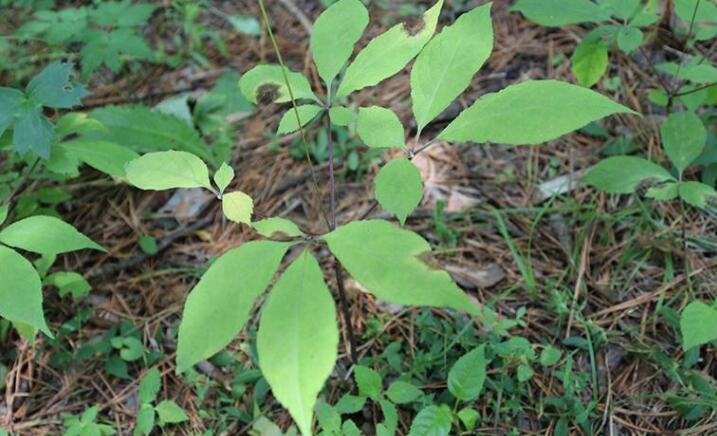 Scientists Reveal How Understory Communities Are Assembled Following Wildfire Disturbance in Chinese Boreal Forest EcosystemsUnderstory vegetation composes the majority of species diversity in boreal forest ecosystems, affecting canopy succession and nutrient cycling.Dec 29, 2018
 -
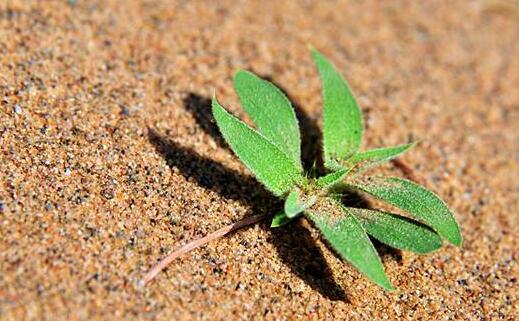 Researchers Find the Inter-dune Lowland of Active Sand Dunes Could Provide Specific Habitats for Some Endemic Species and Pioneer Psammophyte SpeciesSand dune mobility in desert ecosystems reflects the underlying ecological processes, including biotic interactions, seed dispersal, vegetation succession, and environmental change.Dec 27, 2018
 -
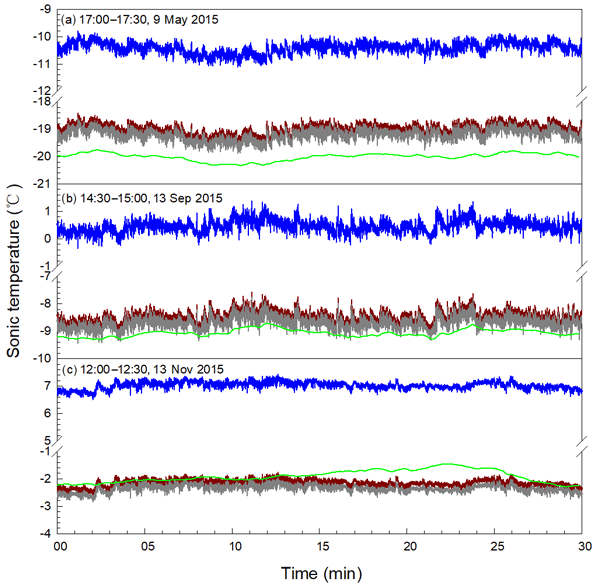 The First Paper by ‘Ker Joint Lab’ PublishedOn October 30, 2018, the first journal paper affiliated to the CAS-CSI Joint Laboratory of Research and Development for Monitoring Forest Fluxes of Trace Gas and Isotope Elements (CAS-CSI Joint Lab or ‘Ker Joint Lab’ for short) was published in the journal Atmospheric Measurement Techniques.Dec 20, 2018
 -
 The Effects of Oil Exposure on Indigenous Oil-degrading Bacteria in Phragmites Australis Dominated Marsh SoilThe Deepwater Horizon spill in the Gulf of Mexico had a profound impact on the Gulf Coast marshes. An understanding of how indigenous oil-degrading bacteria respond to oil exposure is important for the remediation and management of oil-contaminated marshes.Dec 17, 2018
 -
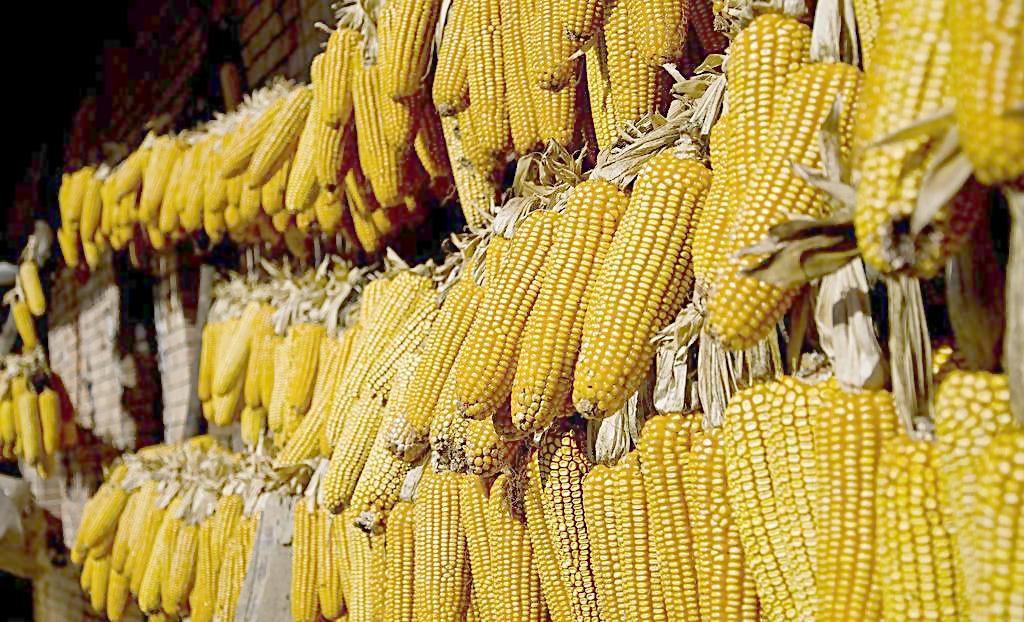 Scientists Reveal Effect of Maize Residue Retention on Nitrous Oxide EmissionIn conservation tillage systems, at least 30% of the soil surface remains covered by crop residue which generally contains significant amounts of nitrogen. Crop residues are important resources involved in nutrient cycling in agro-ecosystems.Dec 17, 2018
 -
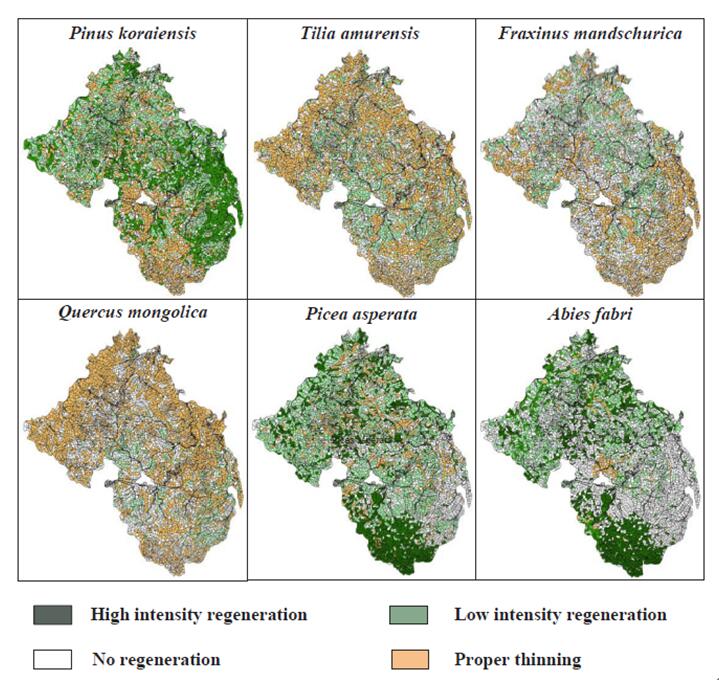 Scientists Developed an Integrated Multi-scale Approach for Restoring Degraded Forest EcosystemNatural forest degradation caused by human activities is one of the most serious problems that threaten human wellbeing and biodiversity conservation.Nov 29, 2018
 -
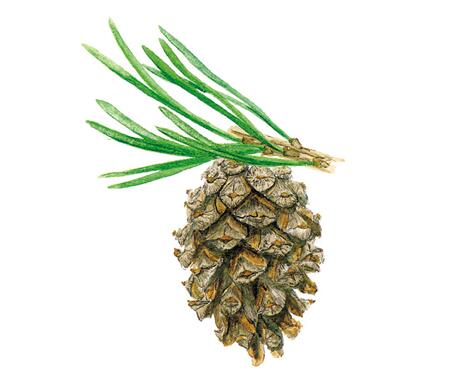 Inconsistent Reproductive Strategies of Pine Trees to Cope with Drought StressOver the past decades, drought events have been widely reported in almost all forest biomes around the world. Substantial evidence has suggested that trees might exhibit remarkable phenotypic plasticity in their eco-physiological traits in response to water deficit. However, current studies on trait plasticity are mainly concentrated on growth components, research on how reproductive traits respond to extreme drought is still lacking. It therefore limits our ability to synthetically predict how the ecophysiological properties of trees adapt to climate change.Nov 27, 2018
 -
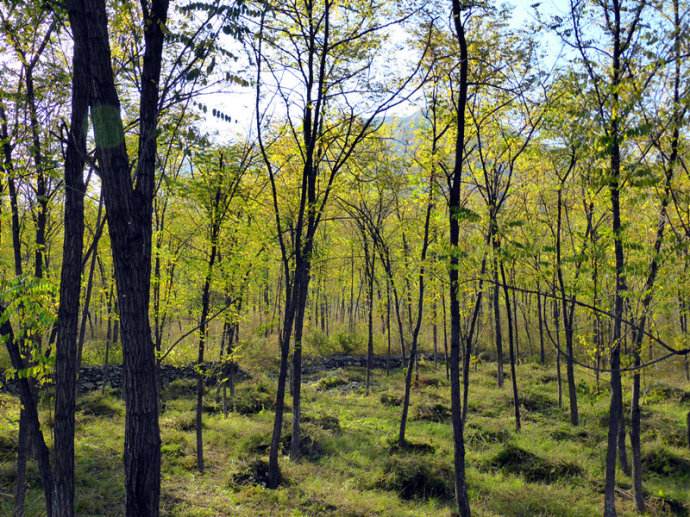 Researchers Reveal the Effects of Gap Size and Within-gap Position on Sprout Regeneration of Dominant Tree Species in the Secondary ForestsSecondary forests, derived from the natural regeneration of primary forests after destructive disturbances, have become major forest resources worldwide. Compared with primary forests, several problems have been observed in broadleaved secondary forests, including unoptimizable stand structure, unsuccessful natural regeneration of dominant tree species and unsustainability in both ecosystem services and productivity. Promoting natural regeneration of dominant tree species plays a critical role in the vegetation restoration of secondary forests.Nov 27, 2018
 -
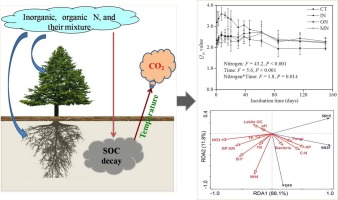 Scientists find inorganic N addition decreasing soil microbial respiration but increasing its averaged Q10 in a temperate forestSoil microbial respiration is a key process controlling the size of the soil organic C storage and C loss from terrestrial ecosystems to atmosphere. A small change in the rate of soil microbial respiration may have a large effect on the net C flux and climate dynamics because of the largest SOC stored in terrestrial soil systems. Therefore, understanding the response of soil microbial respiration and its temperature sensitivity (Q10) to atmospheric N deposition under global warming is important to improve the accuracy of predicting changes in global C cycles and its feedback to climate change.Oct 22, 2018
