

RESEARCH NEWS
-
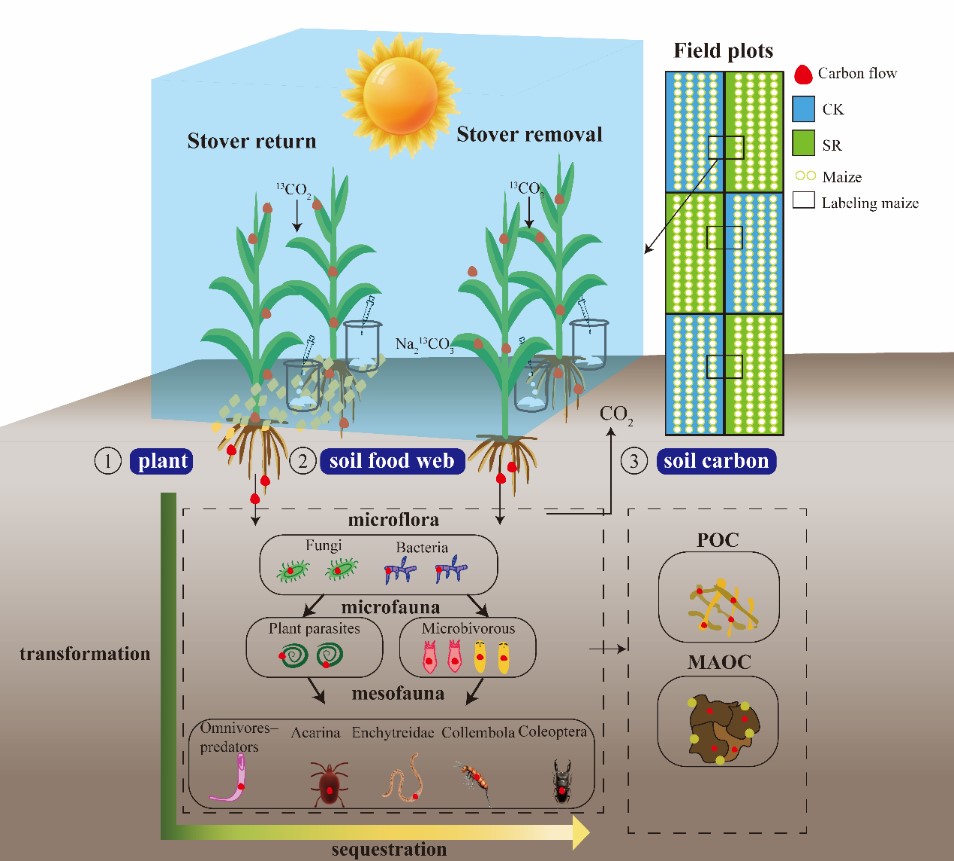 Soil Food Webs Boost Carbon Retention in FarmlandsResearchers from the Institute of Applied Ecologyof the Chinese Academy of Scienceshave identified how soil food webs promote the transformation and storage of photosynthetic carbon in farmlands.Nov 19, 2025
 -
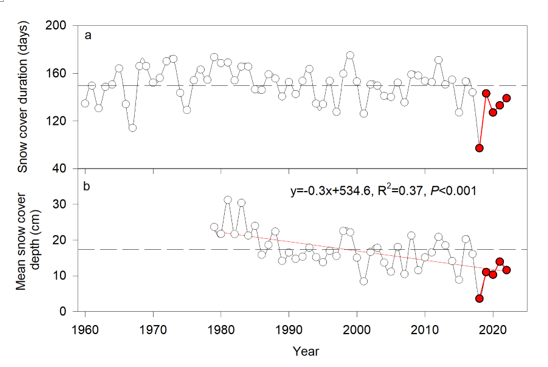 Mechanism underlying the dieback of natural Pinus sylvestris var. mongolica forests on sandy landThe research team of Drs. ZHU Jiaojun and SONG Lining proposed two interconnected hypotheses. First, continuous human fire suppression has disrupted the natural fire cycle, enabling the buildup of tree pathogens and pests that weaken forest health. Second, warmer winters driven by climate change have reduced snow cover duration and depth, leading to less snowmelt water in early spring and intensifying soil moisture stress during the trees’ key growing season.Nov 19, 2025
 -
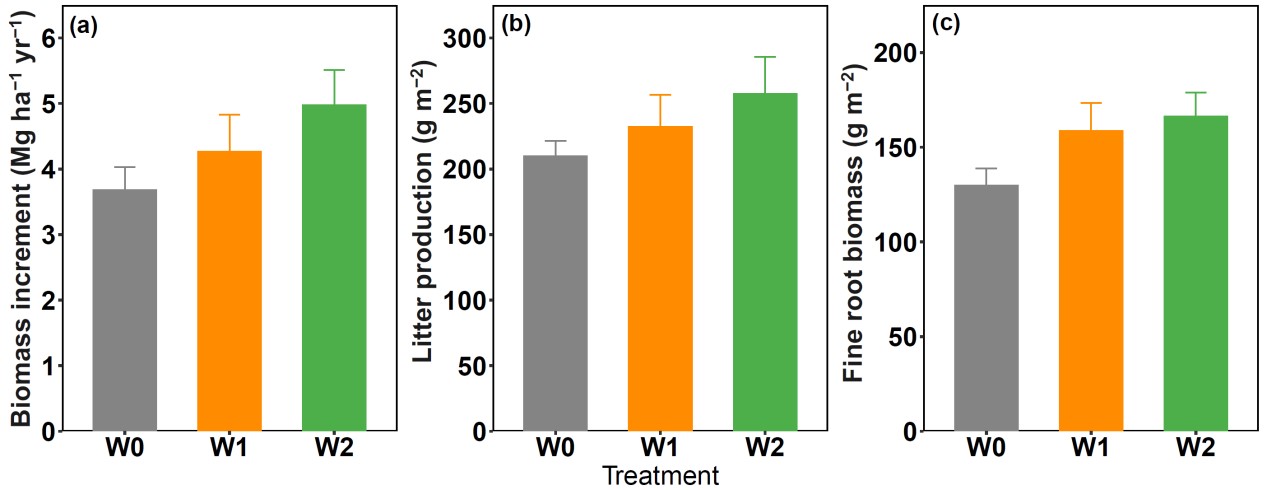 How Enhanced Rock Weathering Influences Carbon Sequestration in Temperate ForestsResearchers from the Institute of Applied Ecology, Chinese Academy of Sciences (CAS), have conducted an ecosystem-wide assessment of enhanced rock weathering (ERW) in forest plantations. Led by Dr. KANG Ronghua, this study explored how the application of finely ground silicate minerals influences soil carbon fluxes and tree growth in a larch plantation in northeastern China. The findings were published in Forest Ecology and Management under the title “Carbon sequestration induced by enhanced silicate rock weathering in a temperate larch plantation in Northeastern China.”Oct 29, 2025
 -
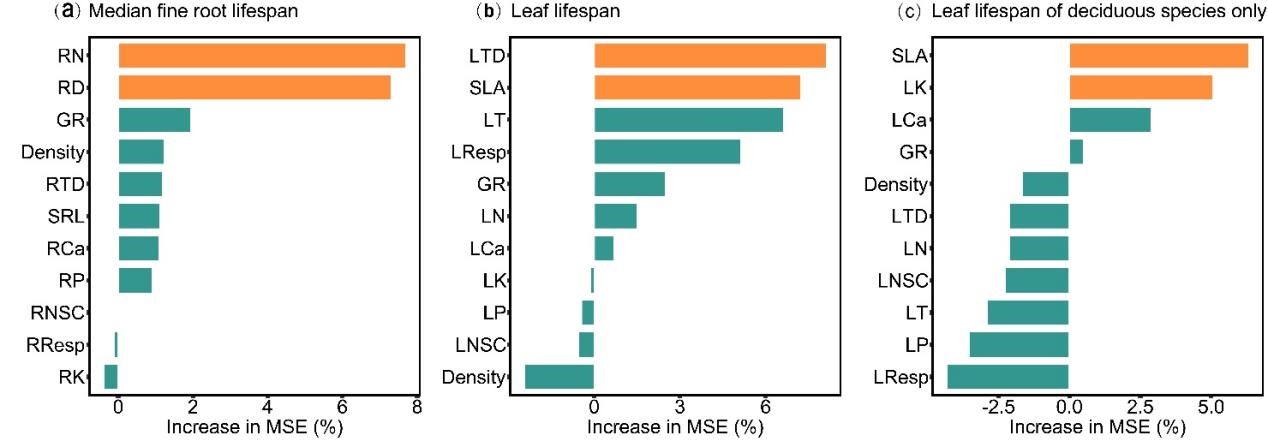 Seasonal Rhythms and Lifespan Determinants of Fine Roots in Temperate PlantationsResearchers from the Institute of Applied Ecology, Chinese Academy of Sciences (CAS), have explored how trees balance resource allocation above and below ground to enhance forest productivity and maintain soil fertility. Their findings, titled “Phenological patterns and factors affecting the lifespan of fine roots in forests,” were published in Tree Physiology.Oct 10, 2025
 -
How Temperate Forest Canopies Absorb Atmospheric Nitrogen DioxideResearchers at the Institute of Applied Ecology, Chinese Academy of Sciences, have provided new quantitative evidence showing how tree canopies in temperate forests absorb nitrogen dioxidefrom the atmosphere.Oct 10, 2025
-
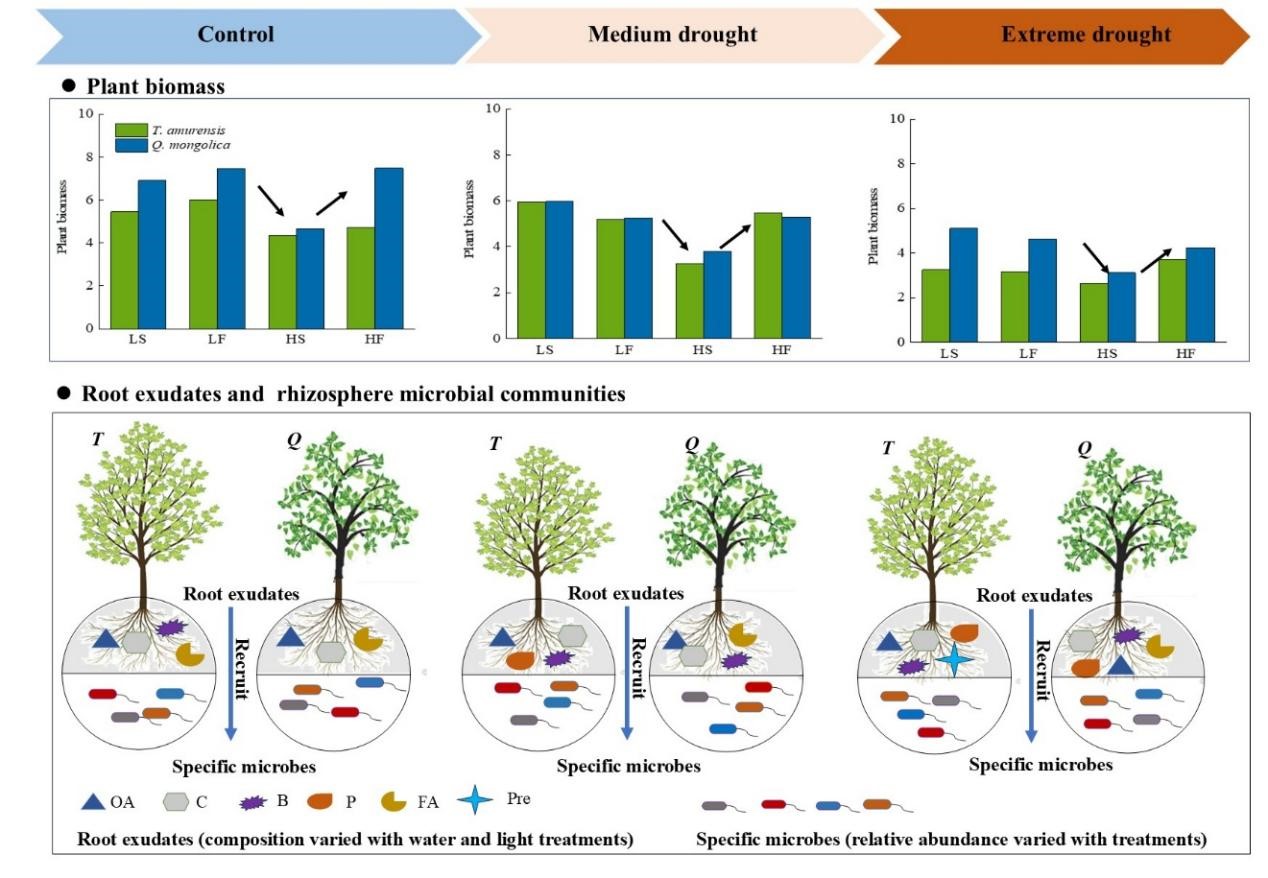 Forest Tree Seedlings Adapt to Drought and Fluctuating Light through Root–Microbe InteractionsResearchers from the Institute of Applied Ecology, Chinese Academy of Sciences (CAS), have uncovered how temperate forest trees adjust their root chemistry and microbial relationships to cope with the combined stress of drought and variable light conditions. The findings offer a deeper understanding of how forest ecosystems could respond to future climate change, particularly as extreme droughts and shifting canopy structures modify light availability on the forest floor.Oct 10, 2025
 -
Wollastonite Boosts Stable Soil Carbon Formation through Distinct Pathways in Forest and Farmland SoilsThese findings provide a systematic evidence that wollastonite addition stimulates MAOC formation through distinct biochemical and mineral pathways in divergent soil types. The study emphasizes that microbial metabolism and mineral–organic associations jointly regulate soil carbon stabilization. By demonstrating how these processes differ between forest and agricultural systems, the research offers critical knowledge that could guide soil management strategies to enhance carbon sequestration efforts for climate change mitigation.Oct 10, 2025
-
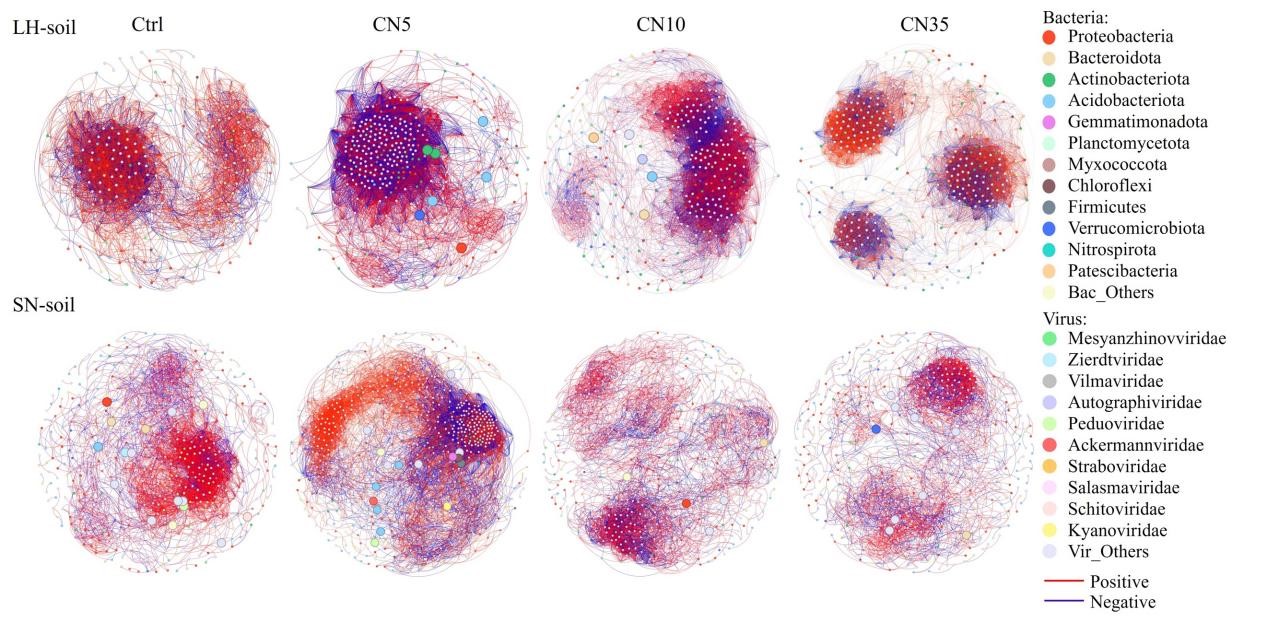 Soil Viruses Regulate Carbon Cycling Based on the Carbon-to-Nitrogen Ratio in SoilResearchers at the Institute of Applied Ecology, Chinese Academy of Sciences, have provided new insights into how soil viruses influence microbial activity and carbon storage under different nutrient conditions.Oct 10, 2025
 -
Phage-Induced Heterogeneity in Microbes: Ecological and Biogeochemical SignificanceResearchers at the Institute of Applied Ecology, Chinese Academy of Sciences, have unveiled how bacteriophagesdrive metabolic and functional variation among genetically identical microbes.Oct 10, 2025
-
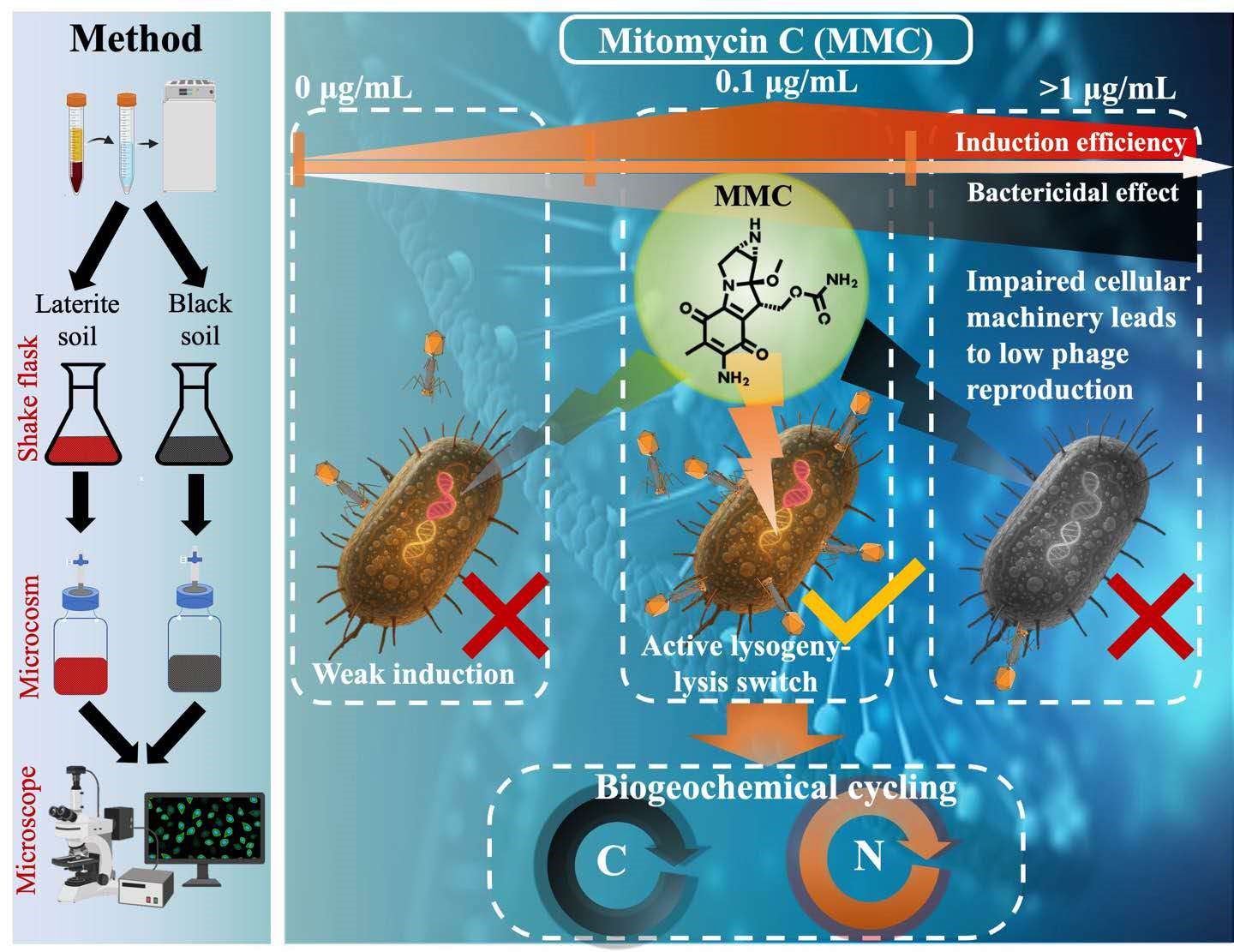 Scientists Develop Improved Method to Study Dormant Soil VirusesThe research proposes a low-dose, in-situ mitomycin Cinduction protocol to explore prophage activation in soil communities and its impact on carbon and nitrogen fluxes.Oct 10, 2025
