

RESEARCH NEWS
-
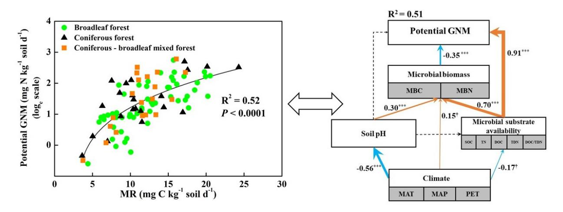 Gross Nitrogen Mineralization Is Non-linearly Correlated with Microbial Respiration along Forest TransectNitrogen (N) in inorganic form is the main source for plant and microbial growth. Thus gross nitrogen mineralization, a microbial process converting organic nitrogen to inorganic nitrogen, is pivotal for plant productivity. “Until now, variation in gross nitrogen mineralization of forest soils at a large scale and influencing factors are still unknown, and this knowledge is very critical because forests are the largest terrestrial ecosystem on the earth,” said Prof. WANG Peng from the Institute of Applied Ecology of the Chinese Academy of Sciences.Dec 10, 2021
 -
Different Stages of Freeze–thaw Cycles Shape Different Microbial CommunitiesAs a zonal phenomenon of soil heat dynamics in high latitude and high altitude areas, freeze–thaw cycle strongly affects soil microbial process, which has attracted more and more researchers' attention in recent years. However, there are few studies on the effects of different stages of freeze–thaw cycle on the composition and function of soil microbial community, and our understanding of this field needs to be improved.Dec 07, 2021
-
Denitrification is Dominant Pathway for Nitrogen Removal from Coastal SedimentsHuman activities have caused a large amount of reactive nitrogen (N) to enter coastal and marine ecosystems, which changes N biogeochemical cycling and leads to a series of ecological problems in coastal areas such as eutrophication, hypoxic zone expansion, algal blooms and the increase in greenhouse gas emissions. Coastal sediments are vital for the removal of N from marine ecosystems. However, what factors control the regional-scale sedimentary N removal process is scarcely known.Dec 01, 2021
-
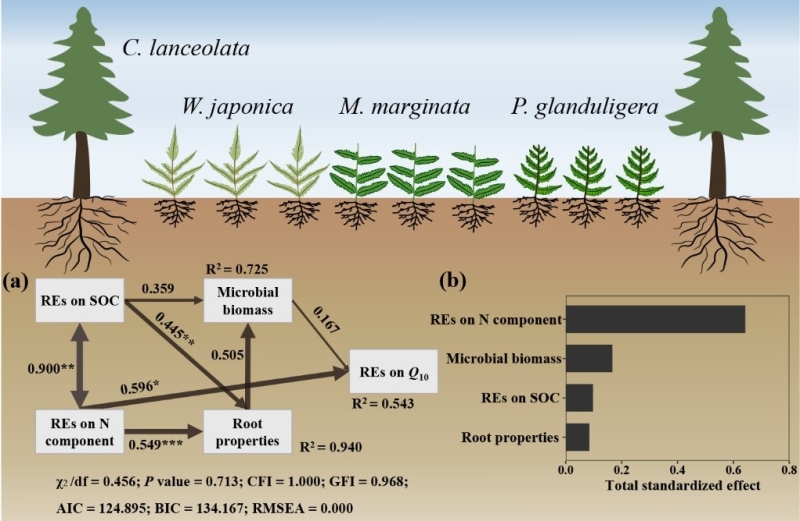 Decomposition of Rhizospheric Soil Organic Carbon is More Sensitive to Climate Warming than Non-rhizospheric SOCThe rhizosphere is the narrow region where plant roots and the soil interact vigorously and intensive microbial metabolism occurs. The properties of rhizosphere soil are usually different from that of non-rhizosphere soil. This is called rhizosphere effects (REs).Dec 01, 2021
 -
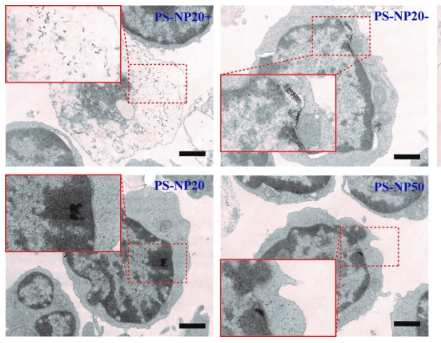 Polystyrene Nanoplastics Inhibit Key Signaling Pathways for the Activation of Immune T cellsNanoplastics is a new type of environmental pollutant. Its particles can easily enter the bodies of animals through diet and breathing, and affect the physiological functions of organisms. However, there are no effective measures for detecting and eliminating nanoplastic particles that are now widely distributed in natural environment.Nov 15, 2021
 -
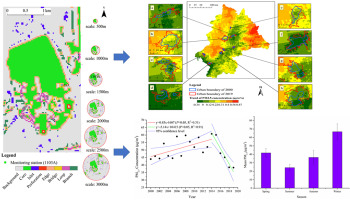 Researchers Investigate Multi-scale Relationships Between Urban Green Infrastructure Landscape Patterns and Atmospheric PM2.5 ConcentrationsThe results of this study deepen the understanding of the relationship between UGI landscape patterns and PM2.5 concentrations, which will provide a scientific guidance for future urban planning and the prevention and control of PM2.5 pollution.Oct 26, 2021
 -
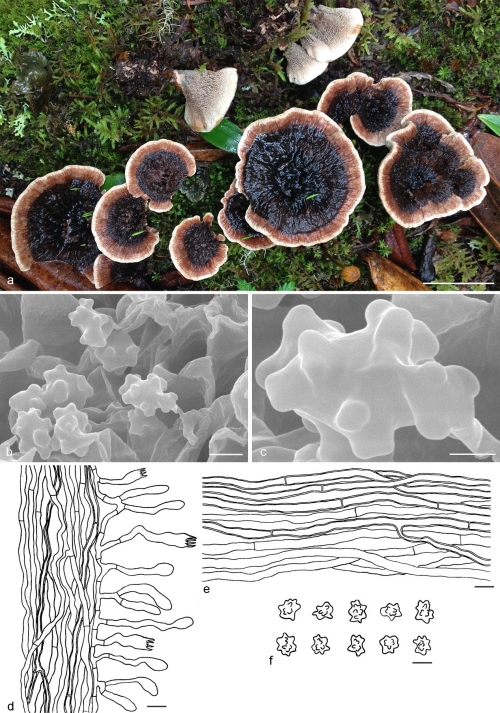 Researchers Elucidate Endangered Stipitate Hydnaceous Fungi in ChinaThe genus Hydnellum, an important component of stipitate hydnaceous fungi, is a group of soil-inhabiting Basidiomycota with a spinulose hymenium. They can form a mutually beneficial symbiosis with plant roots and receive carbon sources from and transport mineral elements, such as nitrogen and phosphorus to their host plants, which occupies a vital position in the formation and rapid colonization of host plant resistance, promotion of forest vegetation restoration and forest ecosystem stability.Oct 11, 2021
 -
To Enhance or Suppress? The Double-edged Sword of Superantigen in Tumor ImmunotherapyTumor immunotherapy is the most promising research field in the last years. By re-awakening and enhancing the immune system to fight cancer, such strategies have attracted the attention of many researchers. Drugs such as PD-1/PD-L1 specific antibodies have been developed and achieved impressive clinical responses. However, many cancer types still do not respond to immunotherapy because of immune tolerance and resistance.Oct 09, 2021
-
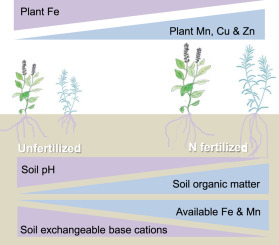 Effects of Different Nitrogen Compounds Addition on Plant-soil Micronutrients in a Meadow SteppeRecently, Prof. Yong Jiang’s Lab from the Institute of Applied Ecology of Chinese Academy of Sciences, examined the effects of different N compounds of (NH4)2SO4, NH4NO3, and urea with and without mowing on micronutrient Fe, Mn, Cu, and Zn in soil-plant systems in a meadow steppe.Sep 26, 2021
 -
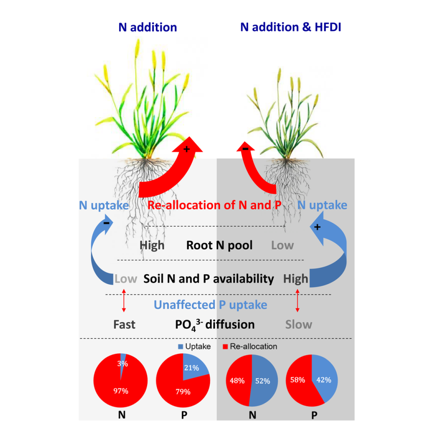 A Novel Dual-labelling Technique to Quantify the Contribution of Root Nutrient Re-allocation to Plant Regrowth after DefoliationNitrogen (N) and phosphorus (P) are co-limiting nutrients of net primary productivity in most terrestrial ecosystems. To satisfy N and P demand for shoots, plants take up nutrients from the soil but also recycle nutrients internally through resorption and re-allocation from storage organs (e.g., roots).Sep 14, 2021
